

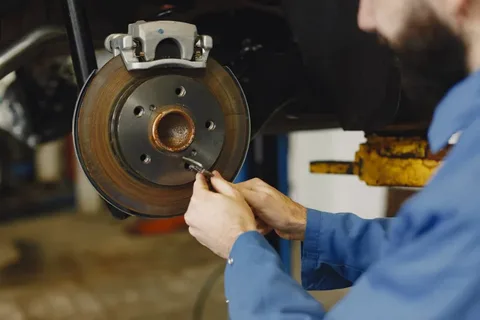
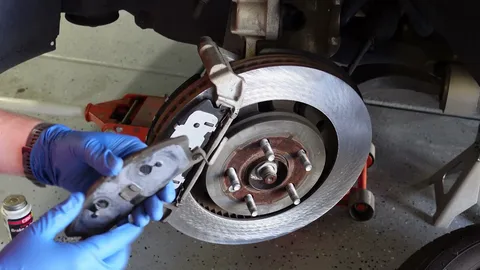
Brake pad repair or replacement typically costs between $150 and $350 per axle, depending on your vehicle, the type of brake pads, and labor charges. Premium brake pads, luxury vehicles, and additional brake repairs can increase the total cost. Replacing worn brake pads early helps prevent expensive damage to other braking components.
Brake pads are among the most important components of your vehicle’s braking system. Every time you press the brake pedal, the brake pads create friction against the rotors to slow or stop your vehicle safely. Since they are designed to wear down over time, replacing them is one of the most common maintenance services every vehicle owner will eventually need.
If you’ve started hearing squealing noises, noticing longer stopping distances, or seeing a brake warning light, you may be wondering, “How much does it cost to repair brake pads?” The answer depends on several factors, including the type of vehicle you drive, the quality of replacement parts, labor rates, and whether other brake components also require service.
Average Brake Pad Repair Cost
For most passenger vehicles in the United States, brake pad repair generally involves replacing the worn pads with new ones.
Average costs include:
- Brake pad replacement: $150–$350 per axle
- Premium brake pad replacement: $250–$500 per axle
- Brake inspection: Free to $100
- Complete brake service with additional parts: $300–$800+
These estimates usually include both labor and replacement parts. Luxury vehicles, imported cars, and high-performance models often have higher repair costs because they require specialized components.
What Determines the Cost of Brake Pad Repair?
Several factors influence the total amount you’ll pay for brake pad replacement.
Vehicle Make and Model
Every manufacturer designs braking systems differently.
Compact sedans generally use less expensive parts than SUVs, trucks, luxury vehicles, or performance cars. Some imported vehicles require manufacturer-specific components that cost more than standard aftermarket parts.
Type of Brake Pads
Not all brake pads are the same.
Common options include:
- Ceramic brake pads
- Organic brake pads
- Semi-metallic brake pads
Ceramic pads usually cost more but offer quieter operation, reduced brake dust, and longer lifespan.
Semi-metallic pads are durable and perform well under heavy braking but may produce more noise.
Choosing the right material depends on your driving habits and manufacturer recommendations.
Labor Costs
Labor rates vary significantly between repair shops.
Independent repair facilities often charge less than dealership service departments, although prices differ by location and technician experience.
Replacing brake pads is generally a straightforward repair, making labor costs relatively affordable compared to major automotive repairs.
Additional Brake Repairs
Sometimes replacing the brake pads alone isn’t enough.
If technicians discover worn rotors, damaged hardware, leaking calipers, or contaminated brake fluid, additional repairs may be recommended.
Although this increases the repair bill, it ensures your brakes operate safely and efficiently.
Why Brake Pads Wear Out
Brake pads naturally wear down because they constantly create friction against the brake rotors.
Several factors affect their lifespan, including:
- Driving habits
- Vehicle weight
- Stop-and-go traffic
- Mountain driving
- Weather conditions
- Brake pad material
Aggressive braking generally shortens brake pad life, while smooth driving helps them last longer.
Most brake pads last between 30,000 and 70,000 miles, although actual lifespan varies considerably.
Signs Your Brake Pads Need Replacement
Recognizing worn brake pads early can prevent more expensive repairs.
Common warning signs include:
- Squealing or squeaking noises
- Grinding sounds
- Longer stopping distances
- Vibrating brake pedal
- Brake warning light
- Reduced brake performance
- Thin brake pad material during inspection
Ignoring these symptoms often leads to rotor damage and higher repair costs.
Front Brake Pads vs. Rear Brake Pads
Many vehicles wear the front brake pads faster than the rear pads.
This happens because the front brakes handle most of the stopping force during braking.
However, some vehicles equipped with electronic brake distribution systems wear both front and rear brake pads more evenly.
Technicians inspect all four wheels during routine brake maintenance to determine which pads require replacement.
Brake Pad Replacement vs. Brake Repair
Many people use the terms “repair” and “replacement” interchangeably.
In reality, brake pads cannot usually be repaired once the friction material has worn away.
Instead, technicians replace the old pads with new ones.
Additional components may also receive cleaning, lubrication, and adjustment during the repair process to improve braking performance.
Should Brake Rotors Be Replaced Too?
Not every brake pad replacement requires new rotors.
However, technicians inspect the rotors carefully during every brake service.
If they are excessively worn, warped, cracked, or below minimum thickness specifications, brake rotor replacement is recommended.
Replacing both components together often provides smoother braking and extends the lifespan of the new pads.
Why Delaying Brake Pad Replacement Costs More
Many drivers postpone replacing worn brake pads because the vehicle still appears to stop normally.
Unfortunately, delaying repairs usually increases overall expenses.
Once the friction material wears completely away, the metal backing plate contacts the rotor.
This metal-on-metal contact damages the rotors, increases stopping distances, and may even damage the brake calipers.
Replacing brake pads promptly remains one of the most affordable ways to protect the entire braking system.
Can You Replace Brake Pads Yourself?
Some experienced vehicle owners choose to replace brake pads themselves.
While this may reduce labor costs, proper installation is critical.
Incorrect installation can reduce braking effectiveness and create serious safety risks.
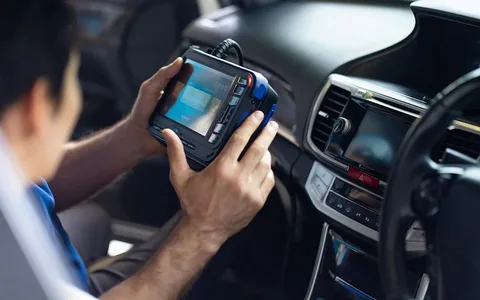
Professional technicians perform a complete brake inspection, verify rotor condition, lubricate hardware, and test the braking system before returning the vehicle to service.
How to Extend Brake Pad Life
Good driving habits help reduce wear and lower long-term maintenance costs.
Simple ways to extend brake pad life include:
- Avoid sudden hard braking whenever possible.
- Maintain a safe following distance.
- Reduce unnecessary vehicle weight.
- Schedule routine brake maintenance.
- Respond immediately to unusual brake noises.
- Follow the manufacturer’s recommended service schedule.
Small changes in driving habits can significantly increase brake pad lifespan.
Choosing the Right Repair Shop
Selecting a trusted repair shop is just as important as choosing quality replacement parts.
Look for certified technicians, transparent pricing, quality warranties, and positive customer reviews. Shops experienced with imported vehicles understand manufacturer specifications and use proper installation procedures.
For drivers seeking dependable brake repairs and professional automotive care, Uptown Import is one example of a repair facility committed to quality workmanship and reliable service.
Conclusion
Brake pad replacement is one of the most common—and most important—vehicle maintenance services. In most cases, drivers can expect to pay between $150 and $350 per axle, although premium parts, luxury vehicles, and additional brake repairs can increase the total cost.
Replacing worn brake pads at the right time protects your rotors, improves stopping power, and helps prevent much more expensive repairs later. Regular inspections, safe driving habits, and prompt attention to warning signs ensure your braking system continues to perform reliably for years to come.
Investing in timely brake maintenance isn’t just about saving money—it’s about keeping you, your passengers, and everyone else on the road safe.
Frequently Asked Questions (FAQs)
How much does brake pad replacement usually cost?
Brake pad replacement generally costs between $150 and $350 per axle, including labor and standard replacement parts.
How often should brake pads be replaced?
Most brake pads last 30,000 to 70,000 miles, depending on driving habits, road conditions, vehicle type, and the quality of the brake pads.
Do I need to replace all four brake pads at the same time?
Not always. If only the front or rear pads are worn, replacing that axle may be sufficient. A professional inspection will determine what your vehicle needs.
What happens if I don’t replace worn brake pads?
Ignoring worn brake pads can damage the rotors, reduce braking performance, increase repair costs, and create unsafe driving conditions.
Are premium brake pads worth the extra cost?
Yes. Premium brake pads often last longer, produce less noise and brake dust, and provide better overall braking performance, making them a worthwhile investment for many drivers.