
Transmission

What Happens If You Don’t Service Your Transmission?

If you don’t service your transmission, old or contaminated transmission fluid can cause increased friction, overheating, slipping gears, rough shifting, and premature wear of internal components. Over time, neglecting transmission maintenance can lead to serious mechanical damage and expensive transmission repairs or even complete transmission replacement.

Your transmission is one of the most important systems in your vehicle. It transfers power from the engine to the wheels and allows your vehicle to accelerate, change speed, and operate efficiently. Whether your car has an automatic, manual, CVT, or another type of transmission, proper maintenance can help keep it functioning reliably.

Many drivers pay close attention to engine oil changes but overlook transmission service. Unfortunately, ignoring transmission maintenance can allow small problems to develop into major failures.

Why Is Transmission Service Important?

Transmission fluid performs several important jobs. It lubricates internal components, helps control operating temperatures, and allows many transmission parts to function properly.

Over time, transmission fluid can become contaminated or lose some of its effectiveness. Heat and normal operation can gradually affect the fluid, while wear particles and other contaminants may accumulate.

Depending on the vehicle, transmission service may involve inspecting or replacing the fluid, replacing a transmission filter when applicable, checking for leaks, and inspecting the transmission system for potential problems.

Regular transmission maintenance helps protect internal components and can reduce the risk of costly repairs.

1. Your Transmission Fluid Can Become Contaminated

One of the first problems caused by neglected transmission service is degraded or contaminated fluid.

Transmission fluid is exposed to heat and constant mechanical activity. As it ages, its performance can deteriorate. Contaminated fluid may not lubricate and protect internal components as effectively as fresh fluid.

Once the fluid becomes excessively dirty or degraded, continuing to drive without service can increase stress on the transmission.

2. The Transmission May Overheat

Heat is a major enemy of transmission components.

Transmission fluid helps transfer heat away from internal parts. When the fluid is old, low, or degraded, the transmission may have more difficulty managing operating temperatures.

Excessive heat can accelerate fluid breakdown and increase wear on internal components. In severe cases, overheating can contribute to significant transmission damage.

If your vehicle frequently operates under demanding conditions, such as towing or heavy stop-and-go traffic, proper transmission maintenance becomes especially important.

3. You May Experience Rough Shifting

A properly functioning transmission should generally shift smoothly and consistently.

When transmission fluid is degraded or another transmission problem develops, you may notice rough, delayed, or unusually hard gear changes.

For an automatic transmission, symptoms may include:

  • Hard shifting
  • Delayed engagement
  • Jerking between gears
  • Hesitation when accelerating
  • Unusual noises during shifting

These symptoms should not be ignored. They may indicate that your transmission needs inspection or service.

4. Your Transmission May Start Slipping

Transmission slipping is another potential consequence of poor maintenance.

A slipping transmission may seem to change gears, but the vehicle may not respond with the expected acceleration. Engine RPMs can rise without a corresponding increase in vehicle speed.

Transmission slipping can have several causes, including worn components, fluid problems, or other mechanical issues.

If your transmission is slipping, continuing to drive without having it inspected can potentially make the underlying problem worse.

5. Internal Components Can Wear Faster

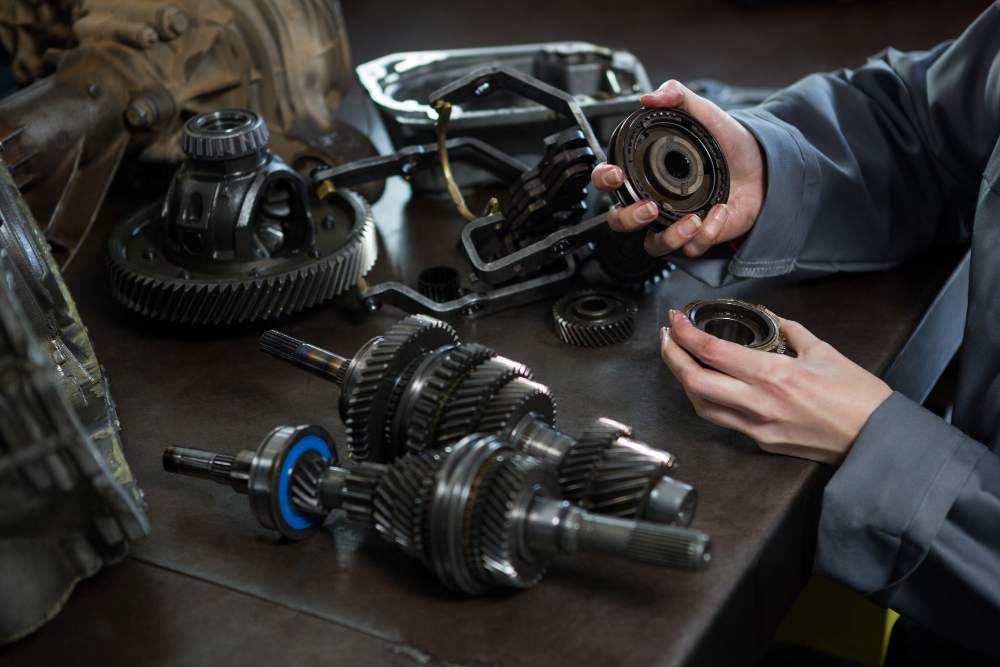
Inside a transmission are numerous components that work together to transfer power. These may include gears, bearings, clutches, bands, valves, and other precision parts, depending on the transmission design.

These components rely on proper lubrication and fluid pressure.

When transmission fluid is neglected, contaminants and reduced fluid performance can increase wear. Over a long period, this can contribute to component damage and reduced transmission life.

Preventive maintenance is generally less expensive than repairing heavily worn transmission components.

6. Your Vehicle May Have Delayed Engagement

Delayed engagement occurs when there is a noticeable pause between selecting a gear and the transmission actually engaging.

For example, you may shift from Park into Drive and experience a delay before the vehicle begins moving.

There are several possible causes for delayed engagement, including fluid-related problems, hydraulic issues, electrical faults, and internal transmission wear.

Because the cause isn’t always obvious, a professional inspection is recommended rather than simply assuming that changing the fluid will solve the problem.

7. You Could Notice Unusual Transmission Noises

A neglected or damaged transmission may produce sounds that aren’t normally present.

Depending on the problem, you could hear whining, humming, clunking, grinding, or other unusual noises.

Noise alone does not identify the exact cause, but it is a warning that something may require attention. Continuing to drive while ignoring unusual sounds can increase the chance of further damage.

8. Transmission Repairs Can Become More Expensive

One of the biggest risks of skipping transmission service is allowing a relatively manageable issue to become a major repair.

For example, a minor fluid leak may initially be easier to address. If the fluid level continues to fall and the vehicle is driven for an extended period, inadequate lubrication can place additional stress on internal components.

Eventually, repairs may involve replacing damaged components or rebuilding the transmission.

Ignoring transmission problems rarely makes them cheaper to fix.

9. Your Fuel Economy May Suffer

Transmission problems can also affect fuel efficiency.

The transmission is responsible for delivering engine power to the wheels and selecting appropriate gear ratios. When it is not operating efficiently, the engine may have to work harder than necessary.

Problems such as slipping, delayed shifting, or incorrect gear selection can contribute to reduced fuel economy.

While many factors affect fuel consumption, maintaining the transmission can help support efficient drivetrain operation.

10. Your Transmission Could Eventually Fail

The most serious consequence of neglecting transmission service is complete transmission failure.

A transmission that has suffered extensive internal wear, overheating, or lubrication problems may eventually become unable to transfer power properly.

In severe cases, the vehicle may stop moving even though the engine continues to run.

Transmission replacement or rebuilding can be one of the more expensive automotive repairs. This is why addressing warning signs early and following the manufacturer’s maintenance recommendations is so important.

How Often Should You Service Your Transmission?

There isn’t one transmission service interval that applies to every vehicle.

The correct maintenance schedule depends on the vehicle’s make, model, transmission type, fluid specification, mileage, and driving conditions. Some modern vehicles have specific service intervals, while others may use specialized fluids and procedures.

Always check your owner’s manual or manufacturer’s maintenance schedule for the correct recommendation.

You may need to pay particular attention to transmission maintenance if you frequently:

  • Tow trailers or heavy loads
  • Drive in heavy traffic
  • Make frequent short trips
  • Drive in extreme temperatures
  • Carry heavy loads
  • Drive on steep roads
  • Operate the vehicle under demanding conditions

Signs Your Transmission Needs Service

Don’t wait until your vehicle stops moving to investigate transmission problems. Common warning signs can include:

  • Rough or hard shifting
  • Transmission slipping
  • Delayed gear engagement
  • Burning smell
  • Transmission fluid leaks
  • Unusual noises
  • Poor acceleration
  • Warning lights
  • Difficulty changing gears

If you notice one or more of these symptoms, have your vehicle inspected by a qualified automotive professional.

Does Every Transmission Need the Same Service?

No. Automatic, manual, continuously variable transmissions (CVTs), and other transmission designs can have different maintenance requirements.

The correct fluid type is especially important. Using the wrong transmission fluid can potentially cause performance problems or damage.

For this reason, you should always use the fluid and service procedure specified by your vehicle manufacturer.

Final Thoughts

So, what happens if you don’t service your transmission? Over time, neglected transmission maintenance can contribute to contaminated or degraded fluid, overheating, rough shifting, slipping, internal wear, reduced efficiency, and eventually major transmission failure.

The best approach is to treat transmission service as part of your vehicle’s regular preventive maintenance. Follow the manufacturer’s recommended service schedule, check for fluid leaks, pay attention to unusual shifting behavior, and address warning signs early.

Taking care of your transmission can help maintain smooth operation and potentially extend the life of one of your vehicle’s most important and expensive components.

Minneapolis’s premier import auto repair shop since 1988. Specialists in wheel alignments, engine repair, brake services, and full-service import maintenance with a 3-Year / 36K Mile warranty.
Contact Us
© 2026 Uptown Imports. All Rights Reserved.