
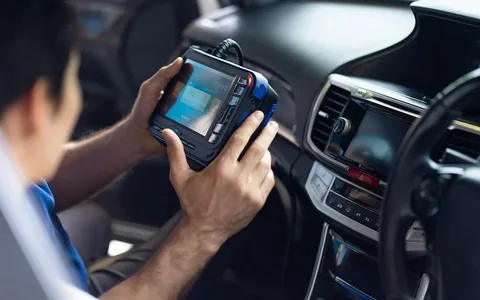
Most US auto shops charge about $120 to $180 for a general vehicle diagnostic, while check-engine-light diagnosis can run roughly $120 to $230. More complex electrical, intermittent, or multi-system problems may cost more because they require additional technician time and testing. The diagnostic fee usually covers finding the cause of the problem, not the repair itself.
When something goes wrong with your car, the first bill you receive may be for diagnostics rather than replacement parts. That can confuse drivers who assume a mechanic simply plugs in a scanner, reads a code, and immediately knows which component has failed.
Modern automotive diagnostics are usually more involved than that.
A trouble code can tell a technician which system detected a problem, but it does not necessarily identify the failed part. Proper diagnosis may require electrical testing, live computer data, pressure tests, road testing, visual inspection, wiring checks, or additional manufacturer-specific procedures. RepairPal specifically notes that replacing parts based on a trouble code alone can lead to unnecessary repairs.
So, how much do auto shops charge for diagnostics, what are you actually paying for, and when can the bill become more expensive? Here is what drivers should know.
RepairPal’s June 2026 estimate places the average general automotive diagnosis at $122 to $179, before taxes, fees, location differences, or any repairs that may be required afterward.
For a check-engine-light diagnosis specifically, RepairPal’s July 2026 estimate is approximately $122 to $233.
A useful general guide is:
Diagnostic Service | Typical Pricing |
Basic code scan | Often free to low cost |
General professional diagnosis | $122–$179 |
Check engine light diagnosis | $122–$233 |
Powertrain system diagnosis | $61–$90 |
Complex electrical diagnosis | Often based on additional labor time |
Extended/intermittent diagnosis | Can exceed the initial diagnostic charge |
Actual prices vary by vehicle, shop labor rate, location, problem complexity, and how long testing takes.
You are mainly paying for technician time, knowledge, diagnostic equipment, and testing procedures.
A explains that modern repair facilities invest heavily in sophisticated diagnostic tools and equipment, and a shop’s labor rate has to cover much more than the technician’s wage alone.
Depending on the problem, a diagnostic appointment may involve:
That is very different from simply reading a code.
This is probably the biggest misunderstanding around automotive diagnostics.
Many auto-parts stores can connect a basic OBD-II scanner and read a check-engine-light code at no charge. Kelley Blue Book notes that free trouble-code reading is commonly available at auto-parts stores.
But a code does not always tell you which part needs replacing.
Suppose your vehicle stores a fault related to an oxygen sensor.
Possible causes could include:
RepairPal specifically warns that a trouble code provides clues about the affected system rather than necessarily identifying the failed component.
A free scan may therefore tell you where to start looking.
Professional diagnosis attempts to determine why the code appeared.
That difference can save you from throwing expensive parts at the car and hoping one of them fixes it.
Diagnostic pricing often depends on how difficult the problem is to reproduce and isolate.
Newer vehicles can contain numerous interconnected control modules and electronic systems.
Problems involving the engine, transmission, ABS, climate control, body electronics, safety systems, or communications network may require specialized equipment and procedures. RepairPal notes that modern automotive systems have become increasingly advanced and interconnected.
A straightforward dead battery is normally easier to diagnose than:
The harder the problem is to reproduce, the more diagnostic time may be required.
European, Asian, luxury, hybrid, diesel, and performance vehicles may require manufacturer-specific tools, software, information, or technician experience.
Specialized diagnostic capability can therefore affect what a shop charges.
Diagnostic work is essentially skilled labor.
A explains that shop labor pricing reflects technician compensation plus expenses such as the facility and specialized equipment required to operate a modern automotive repair business.
Labor costs differ substantially between cities and regions, meaning the same diagnostic job may cost more in one market than another.
RepairPal’s national estimates specifically exclude location-specific differences.
Electrical problems can be some of the most time-consuming issues to diagnose.
Imagine your car has an electrical component that stops working because one wire deep behind the dashboard has broken.
Finding that damaged wire might take two hours.
Repairing it might take five minutes.
AAA specifically points out that electrical diagnostic costs can sometimes exceed the actual repair cost because the difficult part is locating the fault.
You are paying for the technician to determine which wire out of potentially hundreds is causing the problem, not for the tiny piece of wire needed to fix it.
Sometimes.
AAA explains that many shops begin with a basic diagnostic charge covering certain procedures and a maximum amount of technician time. If the problem cannot be identified within that initial period, the shop may contact you to request authorization for additional diagnostic time.
For example, a shop might authorize:
Initial diagnostic time → test the obvious systems → report findings → request additional time if necessary.
This approach is common when dealing with difficult or intermittent faults because nobody can know in advance exactly how long troubleshooting will take.
Sometimes, but do not assume it will be.
Some shops waive or credit diagnostic charges when you approve the recommended repair. Kelley Blue Book notes that certain repair facilities follow this practice.
Other shops charge diagnostics separately because the testing has already required technician time regardless of who performs the eventual repair.
Before authorizing the inspection, ask:
Those five questions can prevent a surprisingly large invoice.
Because professional diagnosis is work.
Imagine paying an electrician to spend an hour finding the exact wire causing a fault in your house and then saying:
“But you only replaced a five-dollar connector.”
The connector was cheap.
Knowing which connector needed replacing was the valuable part.
Automotive diagnosis works much the same way.
Shops invest in:
AAA notes that the advanced diagnostic equipment required by modern repair shops can represent a substantial business investment.
A technician normally begins by connecting professional diagnostic equipment to the vehicle.
The process may include:
The technician identifies which control modules have recorded faults.
Some vehicles store information showing operating conditions when the fault occurred.
A technician may monitor sensors while the engine runs or while the vehicle is driven.
Depending on the code, this could involve:
The goal is to identify the actual cause before replacing anything.
RepairPal emphasizes that proper testing is important because the part mentioned in a trouble code may be functioning correctly while another fault is causing the system to report the code.
Professional diagnostic work is useful for much more than a check-engine light.
Common situations include:
The required testing depends on the symptom.
A professional check-engine-light diagnosis currently averages around $122 to $233 nationally, according to RepairPal’s July 2026 estimate. Taxes, local rates, vehicle differences, and necessary repairs can change the final amount.
A basic code scan may cost nothing.
That is why you might see:
Auto-parts store: $0
and
Professional repair facility: $150
for what appears to be the same service.
It usually is not the same service.
One may only retrieve a stored trouble code, while the other investigates the actual failure.
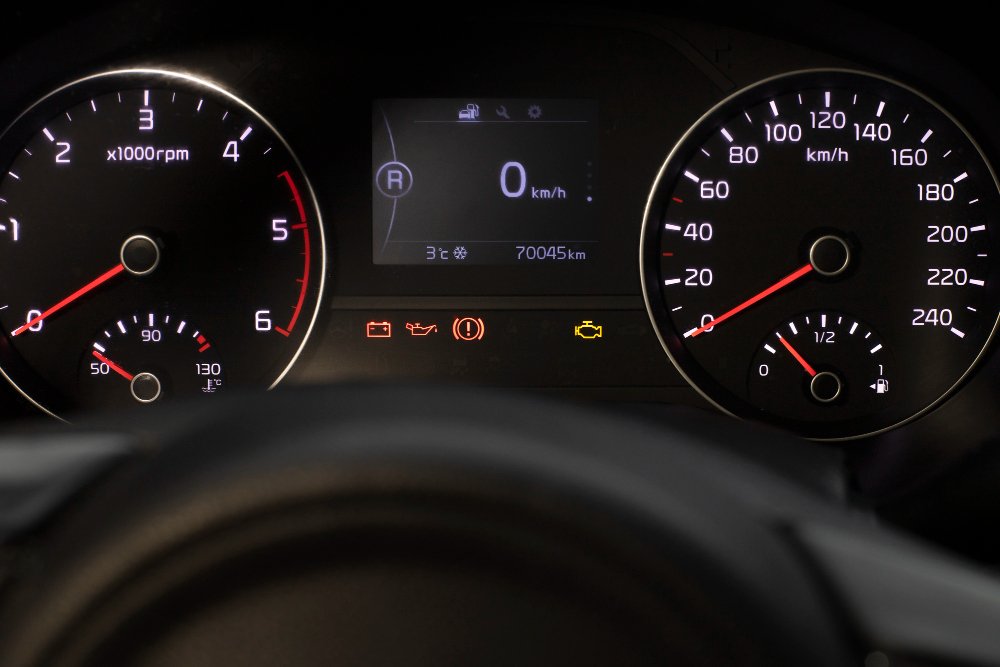
Basic scanning is possible.
Affordable OBD-II readers can allow vehicle owners to retrieve certain engine-related codes, and Kelley Blue Book lists purchasing a personal scanner as one option for checking a warning light.
The challenge begins after you retrieve the code.
Correct diagnosis may require:
RepairPal cautions that inexperienced DIY diagnostics can lead to replacing unnecessary parts and spending more money without correcting the underlying problem.
Reading the code is easy.
Understanding what caused it is where the mechanic earns the diagnostic fee.
Professional diagnosis is particularly worthwhile when:
Paying $150 to find the right problem can be significantly better than spending $800 replacing three perfectly functional parts.
Confirm the initial charge before leaving the vehicle.
Ask how much diagnostic labor is included.
AAA recommends understanding charges and repair authorization before work proceeds.
Tell the technician:
Better information can help technicians reproduce the problem more efficiently.
Describe the symptom instead.
Saying:
“My car shakes at 60 mph”
is more useful than:
“Replace my wheel bearing.”
Let diagnosis determine the repair.
Diagnostic equipment is only as useful as the person interpreting the information.
A skilled technician combines computer data with mechanical knowledge and actual testing.
For drivers of European and Asian vehicles in Minneapolis, Uptown Imports provides computer diagnostics, warning-light diagnosis, no-start diagnostics, driveability testing, electrical-system diagnosis, and broader mechanical repair. Its site says the shop uses dedicated diagnostic equipment for import vehicles.
That specialist experience can be particularly useful when a generic code reader does not provide enough information to identify the underlying fault.
Before authorizing testing, ask:
A reputable shop should have no problem explaining how its diagnostic pricing works.
Automotive diagnostic charges vary because not every vehicle problem takes the same amount of work to identify. A straightforward warning-light issue may be resolved within the shop’s basic diagnostic period, while an intermittent electrical fault can require considerably more technician time.
The most important distinction is between reading a trouble code and diagnosing a vehicle. A scanner supplies information; an experienced technician still has to interpret that information, perform tests, and determine the real source of the fault.
Before leaving your vehicle with a shop, ask what the initial charge covers, whether additional testing requires your approval, and whether the fee is credited toward the eventual repair. Clear pricing upfront makes it much easier to judge whether you are paying for genuine troubleshooting or just an expensive five-minute code scan.