
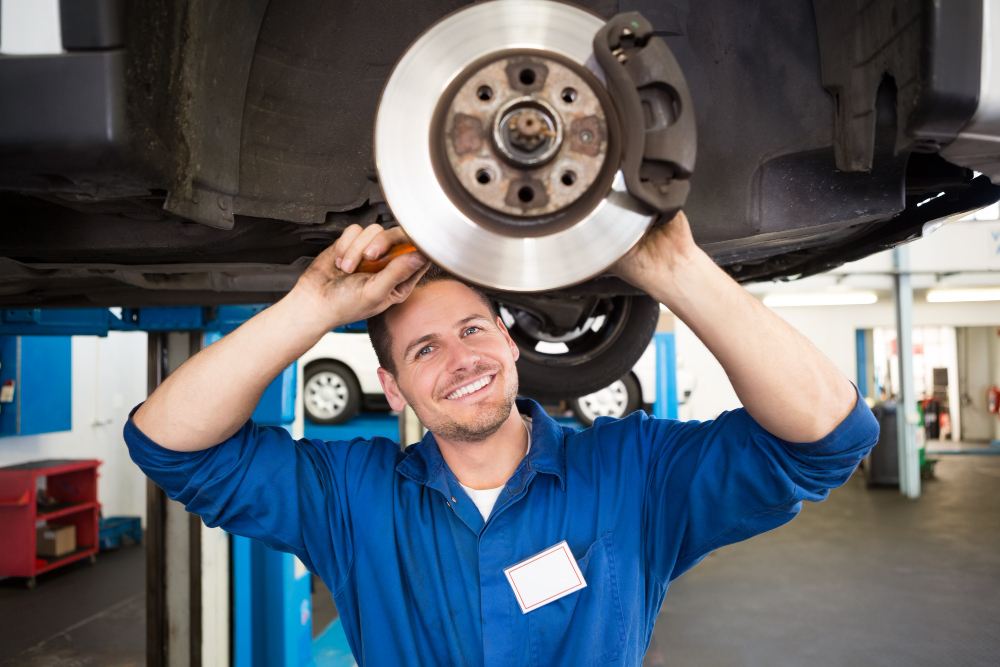
The purpose of any brake repair is to restore safe, reliable, and controlled stopping performance. It corrects worn, damaged, leaking, or malfunctioning components so the vehicle can slow down evenly, maintain proper pedal response, and stop within a safe distance. Timely repair also prevents additional damage and reduces the risk of brake failure.
The braking system is one of the most important safety systems in any vehicle. Every time you slow down for traffic, stop at an intersection, or respond to an unexpected hazard, multiple brake components must work together within seconds. Wear, heat, moisture, corrosion, and damaged parts can weaken that performance over time.
So, what is the purpose of any brake repair? The simple answer is that brake repair restores the vehicle’s ability to slow down and stop safely. However, a proper repair does more than replace a noisy part. It corrects the cause of a problem, restores balanced braking, protects connected components, and reduces the risk of a sudden failure.
To understand why repairs are necessary, it helps to know what happens when the brake pedal is pressed.
The driver’s foot applies force to the pedal. The brake booster increases that force, while the master cylinder converts it into hydraulic pressure. Brake fluid carries the pressure through lines and hoses to the brakes at each wheel.
On vehicles with disc brakes, the calipers press brake pads against rotating metal discs called rotors. The friction slows the wheels. Vehicles with drum brakes use wheel cylinders to push brake shoes against the inside of a drum.
Modern vehicles also use electronic safety systems. The anti-lock braking system helps prevent wheel lock during hard braking. Electronic stability control may apply individual brakes to help the driver maintain control. Sensors, wiring, control modules, and hydraulic components must communicate correctly for these features to work.
Because the braking system operates as a connected network, one defective part can affect several other components. A sticking caliper, for example, may wear one pad prematurely, overheat the rotor, pull the vehicle to one side, and increase fuel consumption.
Brake repairs range from routine pad replacement to complex hydraulic or electronic diagnosis. Regardless of the specific service, every proper repair should achieve one or more of the following purposes.
The primary purpose is to make sure the vehicle can slow down and stop effectively. Worn pads, contaminated brake fluid, leaking lines, or damaged rotors can increase stopping distance. Even a small reduction in braking performance matters during an emergency, when every foot counts.
A repair restores the friction, pressure, or electronic control needed to produce dependable stopping force.
Brakes must operate evenly. If one wheel brakes more strongly than another, the vehicle may pull to one side or become unstable. This is especially dangerous on wet, icy, or uneven roads.
Repairing a seized caliper, blocked hose, contaminated pad, or faulty wheel cylinder helps balance the braking force. Predictable braking allows the driver to remain in control instead of fighting the steering wheel during a stop.
Many brake failures begin as smaller warning signs. A soft pedal may indicate air or a leak in the hydraulic system. Grinding may mean the pad material has worn away. A brake warning light may point to low fluid, a parking brake problem, or another system fault.
Repairing the underlying problem early reduces the chance that the system will lose effectiveness when it is needed most.
Neglected brake problems often spread. Worn pads can damage rotors. A sticking caliper can overheat pads, rotors, seals, and wheel bearings. Old brake fluid can contribute to internal corrosion. A leaking component can introduce air into the system.
Timely repair protects connected parts and may prevent a relatively affordable service from becoming a larger repair bill.
Drivers depend on consistent feedback from the brake pedal. The pedal should not sink toward the floor, feel unusually hard, pulse without reason, or require excessive force.
Brake repair may restore pedal response by removing trapped air, repairing a leak, replacing a failing master cylinder, servicing a booster, or correcting a mechanical fault. A predictable pedal makes it easier to control how quickly the vehicle slows.
Squealing, grinding, scraping, vibration, and burning odors are not merely annoying. They can reveal wear, poor contact, contamination, overheating, or damaged hardware.
A proper repair identifies the cause instead of simply masking the symptom. The goal is to restore smooth operation and prevent excessive heat from damaging nearby components.
Modern safety features depend on accurate wheel-speed information and functioning hydraulic controls. A failed sensor, broken wire, damaged tone ring, or malfunctioning ABS unit can disable these systems.
Repair restores the features that help drivers retain steering control during emergency braking and maintain stability in difficult conditions. The basic brakes may still operate with some ABS faults, but important electronic assistance can be unavailable.
Different repairs address different weaknesses in the braking system.
Brake repair | Main purpose |
Brake pad replacement | Restores friction material and prevents metal-to-metal contact |
Rotor replacement or resurfacing | Restores a smooth, safe braking surface |
Caliper repair or replacement | Restores even clamping force at the wheel |
Brake fluid flush | Removes aged or contaminated fluid and restores hydraulic performance |
Brake hose replacement | Repairs flexible hydraulic connections that leak, crack, or collapse internally |
Brake line repair | Stops fluid loss and restores pressure delivery |
Master cylinder replacement | Restores the creation and control of hydraulic pressure |
Brake booster repair | Restores power assistance and reduces pedal effort |
Drum and shoe service | Restores rear or drum-brake friction performance |
ABS sensor repair | Restores accurate wheel-speed data for electronic safety systems |
Parking brake repair | Restores the system that holds a parked vehicle in place |
Brake pads are designed to wear gradually. Their friction material contacts the rotors whenever the brakes are applied. Once that material becomes too thin, braking performance may decline and the pad’s metal backing can contact the rotor.
The purpose of pad replacement is to restore adequate friction material before damage spreads. During the service, a technician should also inspect the rotors, calipers, slide pins, hoses, and hardware. Replacing pads without correcting a sticking component can cause the new set to wear unevenly or fail prematurely.
Rotors must provide a stable surface for the pads. Excessive wear, deep scoring, cracks, heat spots, or thickness variation can create vibration and inconsistent contact.
Rotor service restores the surface that the pads rely on. Some rotors can be resurfaced if they remain within the manufacturer’s specifications. Others must be replaced. Installing fresh pads against severely damaged rotors can reduce performance and shorten pad life.
Calipers use hydraulic pressure to squeeze the pads against the rotors. A caliper may leak, seize, or fail to release fully. This can cause pulling, uneven wear, overheating, or constant drag.
The purpose of caliper repair is to restore smooth, controlled clamping and release. It also helps balance braking force between the wheels and protects new pads and rotors from immediate damage.
Brake fluid transfers force from the pedal to the wheel brakes. The system must remain sealed and largely free of air. A leaking line, cracked hose, failing master cylinder, or loose connection can reduce hydraulic pressure.
Hydraulic repair stops fluid loss, restores pressure, and removes trapped air. Because a hydraulic fault can cause a soft pedal or serious loss of braking ability, leaks require urgent attention.
Brake fluid absorbs moisture over time. That moisture can lower the fluid’s boiling point and contribute to internal corrosion. Under heavy braking, overheated fluid can produce vapor, causing the pedal to feel soft or braking force to fade.
A fluid flush replaces degraded fluid with the correct fresh type. The purpose is to protect hydraulic components and maintain reliable pressure across a wide range of temperatures. Service intervals vary, so drivers should follow the vehicle manufacturer’s guidance and fluid-condition recommendations.
An ABS warning light means the control system has detected a fault. The issue might involve a wheel-speed sensor, wiring, tone ring, module, pump, or hydraulic valve.
The purpose of ABS repair is to restore the system’s ability to monitor wheel speed and control brake pressure during hard stops. Proper diagnosis is essential because replacing a part based only on a warning light can waste money and leave the actual fault unresolved.
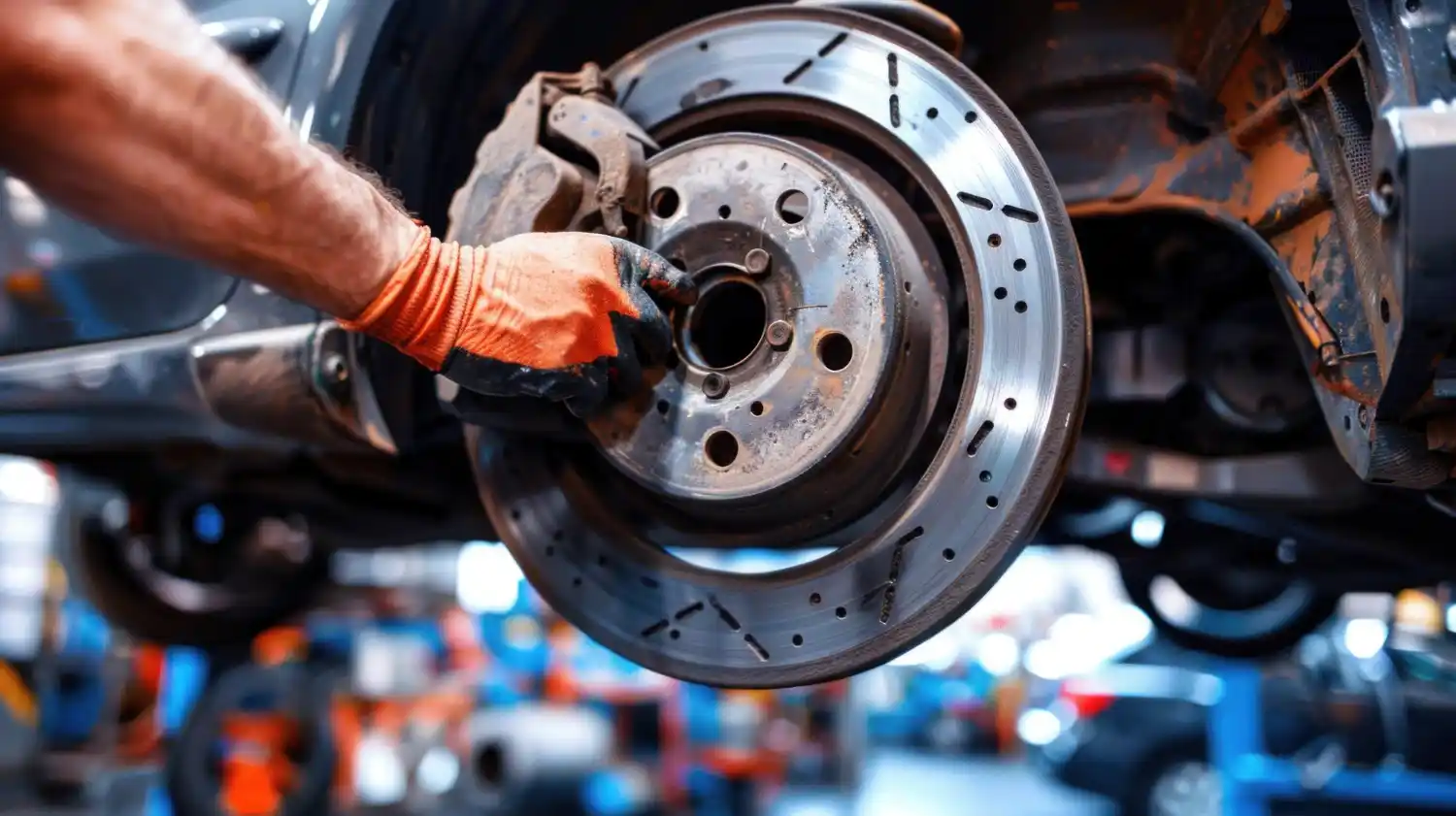
The parking brake holds the vehicle stationary when parked and can provide limited emergency support in certain situations. It may use cables, levers, small drum assemblies, or electronic actuators.
Repair restores the system’s ability to secure the vehicle. A weak parking brake is particularly dangerous on hills. It can also prevent a vehicle from passing a safety inspection where parking-brake performance is tested.
Brake problems rarely improve on their own. Arrange a professional inspection if you notice:
A brief squeak does not always mean a major failure, but grinding, fluid loss, smoke, or a pedal that reaches the floor demands immediate attention. The vehicle should not be driven when braking feels unreliable.
A reliable repair begins with diagnosis. Replacing the most obvious worn part may not solve the reason it failed.
A thorough inspection may include:
The technician can then recommend work based on measurements and evidence. At Uptown Import, diagnosing the complete system before repair can help distinguish routine wear from mechanical, hydraulic, or electronic faults.
Postponing repair creates both safety and financial risks. Brake parts work in direct contact with one another, so wear can spread rapidly.
If pads are replaced while usable friction material remains, the rotors may still be serviceable. If the pads wear down to metal, the rotors may become deeply scored and require replacement. A dragging caliper can ruin a new rotor, overheat the hub area, and increase stress on the wheel bearing.
Delays can also make repairs harder. Corrosion can spread along brake lines, bleeder screws can seize, and contaminated fluid can affect hydraulic components. Early attention usually gives the technician more repair options.
Brake repair is primarily a safety service, but it can improve how the vehicle feels and operates. Correctly functioning brakes provide smoother stops, better pedal response, less vibration, and more consistent handling.
Repairing a dragging brake may also reduce unnecessary resistance. A seized caliper can make the engine work harder, generate excessive heat, and reduce fuel economy. Correcting the drag allows the wheel to rotate normally again.
However, brake repair should never be treated as a cosmetic upgrade. The real objective is controlled, repeatable stopping under ordinary and emergency conditions.
Brake maintenance aims to prevent problems or identify wear before failure. It includes inspections, fluid service, cleaning, lubrication of approved components, and replacement of wear items at the correct time.
Brake repair corrects a problem that already exists, such as a leak, worn pad, seized caliper, damaged rotor, or electrical fault. The two categories overlap because timely maintenance often includes replacing parts before they create a noticeable symptom.
Regular inspections are especially useful before long trips, after purchasing a used vehicle, when warning lights appear, or when the vehicle’s braking behavior changes.
Some experienced vehicle owners replace pads or rotors themselves, but brake work leaves little room for error. The vehicle must be lifted securely, components must be installed correctly, fasteners must be tightened to specification, and hydraulic systems must be bled without leaving trapped air.
Modern electronic parking brakes and ABS systems may also require diagnostic tools and model-specific procedures. Incorrect parts, contaminated friction surfaces, loose hardware, or poor bleeding can create a dangerous condition.
Drivers who lack the correct tools, service information, or experience should use a qualified repair facility. A successful brake repair must do more than silence a noise. It must restore verified stopping performance.
After service, the pedal should feel stable and consistent. The vehicle should stop smoothly without pulling, grinding, unusual vibration, fluid leakage, or excessive heat from one wheel.
Some new pads and rotors require a bedding or break-in procedure to establish proper contact. The technician or parts manufacturer may recommend avoiding repeated hard stops during the initial miles. A temporary smell can sometimes occur as protective coatings and new materials heat-cycle, but smoke, severe odor, or worsening performance should be checked immediately.
Warning lights related to the completed repair should remain off. If a light returns or the original symptom continues, the vehicle requires further diagnosis.
The most important goal is to restore safe and predictable stopping. The repair should correct the underlying fault, maintain balanced braking, and ensure that the vehicle responds properly when the driver presses the pedal.
Not every brief squeak indicates serious damage. Moisture, dust, or certain pad materials can create occasional noise. Persistent squealing, scraping, grinding, vibration, or noise combined with poor braking should be professionally inspected.
Pads are normally replaced as an axle set so braking remains balanced from left to right. Rotors are also commonly serviced in axle pairs. Other parts, such as calipers, are evaluated based on condition and manufacturer guidance rather than automatically replaced in every case.
Proper brake repair can reduce accident risk by restoring stopping power, balanced braking, pedal response, and electronic safety functions. It cannot overcome unsafe speed, poor tires, bad road conditions, or distracted driving, but it keeps a critical safety system ready to perform.
Ignoring brake problems can increase stopping distance, damage rotors and calipers, cause fluid loss, create unstable braking, and potentially lead to partial or complete brake failure. Delaying service often increases the eventual repair cost as well.
The purpose of any brake repair is to restore the vehicle’s ability to slow down and stop safely, consistently, and under control. Depending on the fault, that may require renewing friction material, restoring a smooth braking surface, repairing hydraulic pressure, balancing force between wheels, or returning electronic safety systems to operation.
Brake repair also prevents worn or failed parts from damaging connected components. More importantly, it addresses small warning signs before they develop into dangerous failures. No repair can make reckless driving safe, but a correctly functioning braking system gives the driver the stopping response the vehicle was designed to deliver.
If braking behavior changes, warning lights appear, or unusual sounds develop, arrange an inspection instead of waiting for the problem to become obvious. Brakes are very good at sending warnings. They are considerably less polite when those warnings are ignored.