
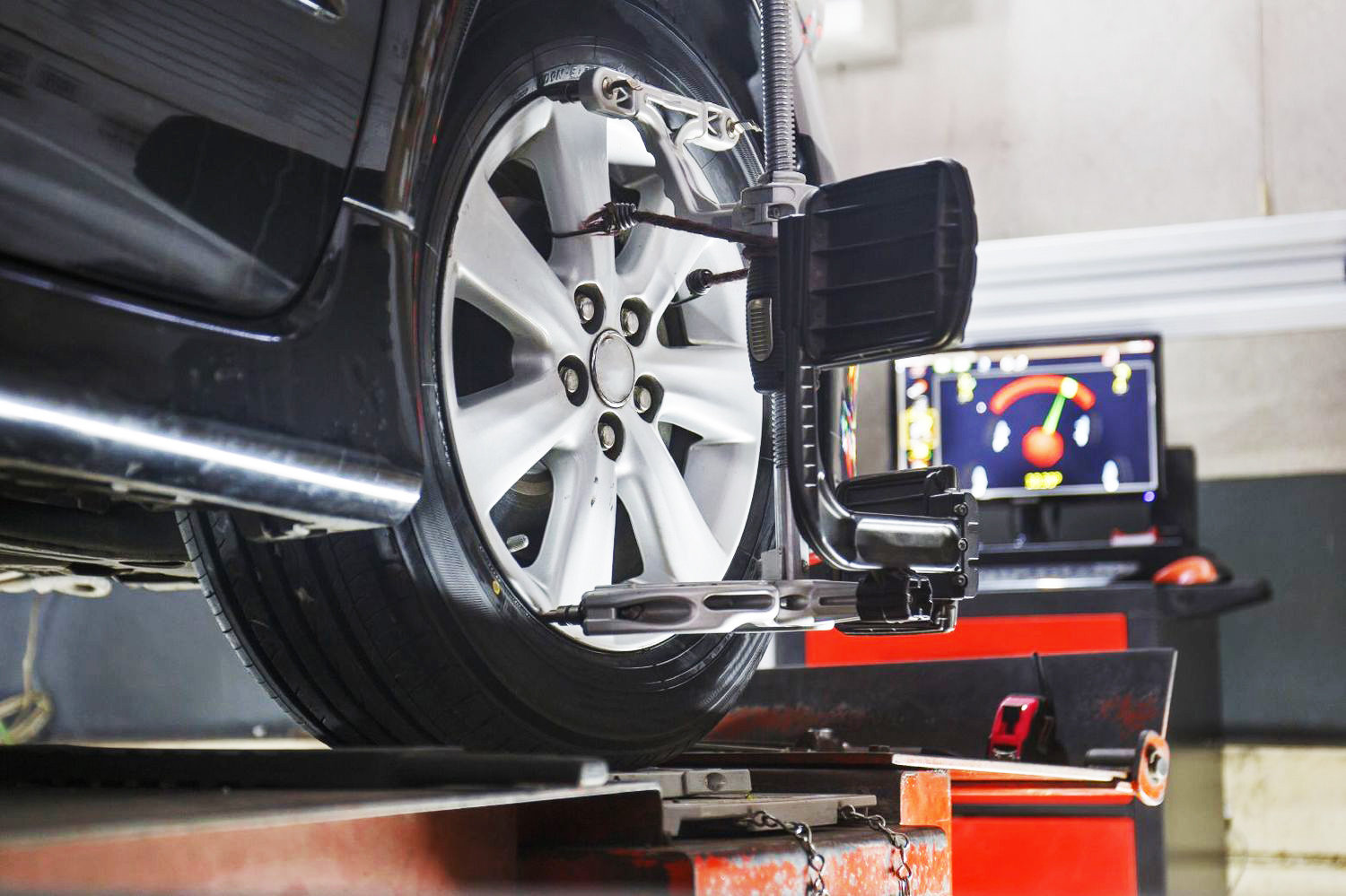
Yes, a bad wheel alignment can damage your tires. When your wheels are not properly aligned, the tires may not make even contact with the road. This can cause uneven tread wear, premature tire damage, poor handling, reduced fuel efficiency, and a shorter tire lifespan. In severe cases, driving with poor alignment for too long can make tires unsafe and require replacement sooner than expected.
Wheel alignment is an important part of routine vehicle maintenance. It ensures that your vehicle’s wheels are positioned according to the manufacturer’s specifications. When alignment angles are correct, your tires can maintain better contact with the road and wear more evenly.
Wheel alignment is the process of adjusting the angles of your vehicle’s wheels so they are correctly positioned relative to each other and the road.
Modern vehicles generally use three important alignment angles:
These angles work together to support proper handling, steering stability, and tire wear.
When one or more alignment angles are outside the manufacturer’s specifications, your vehicle may develop an alignment problem.
Bad alignment can cause your tires to contact the road unevenly. Instead of the tread wearing at a consistent rate, certain areas may experience excessive pressure and friction.
Over time, this can create noticeable patterns of uneven tire wear.
The longer you drive with poor alignment, the greater the chance of premature and uneven tire wear.
For example, incorrect toe alignment can cause the tires to scrub across the pavement instead of rolling smoothly. Incorrect camber can place excessive pressure on either the inside or outside edge of the tire.
Uneven tread wear is one of the most common signs that your vehicle may have an alignment problem.
You might notice that the inside or outside edge of a tire is wearing faster than the center. In other cases, the tread may develop irregular or feathered patterns.
Because tires are designed to wear relatively evenly, unusual tread patterns should be investigated.
Simply replacing the tires without correcting the underlying alignment problem may result in the new tires developing the same wear pattern.
Good-quality tires can last for many miles when properly maintained. However, bad wheel alignment can shorten their useful life.
If a vehicle continues to drive with incorrect alignment, excessive friction can wear down portions of the tread much faster than normal.
This means you may have to replace your tires earlier than expected.
Correcting an alignment issue can help prevent unnecessary tire replacement and protect your investment in new tires.
Incorrect camber is often associated with excessive wear on one side of the tire.
If the top of the wheel tilts too far inward, the inside edge may experience increased wear. If it tilts too far outward, the outside edge can wear more quickly.
This type of wear can sometimes be difficult to notice during a quick visual inspection because the damaged area may be on the inside edge of the tire.
Regular tire inspections can help identify these problems before they become severe.
Alignment problems can also cause feathering.
Feathering occurs when the tread blocks become worn unevenly, creating a pattern where one side of each tread block feels smoother than the other.
You may be able to detect this by running your hand carefully across the tread surface.
Feathering is often associated with incorrect toe settings, although suspension and other factors can also contribute to irregular tire wear.
Bad alignment doesn’t only affect your tires. It can also affect the way your vehicle handles.
If your car pulls to one side while driving on a reasonably level road, an alignment issue may be one possible cause.
You may also notice that the steering wheel is off-center when the vehicle is traveling straight.
These symptoms should be checked because they can result from alignment problems, tire pressure differences, worn suspension components, or other issues.
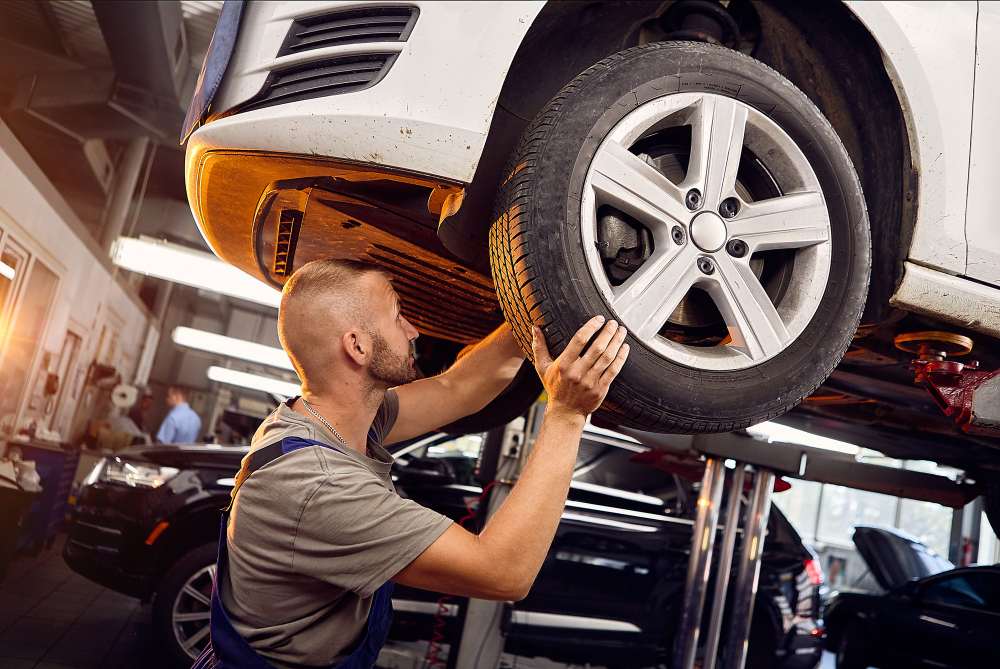
Proper alignment helps your vehicle maintain predictable handling.
When the wheels are not correctly aligned, the vehicle may feel less stable, particularly when driving at higher speeds.
You may notice that the steering requires more correction than usual or that the vehicle doesn’t track straight.
Since steering and tire contact are directly related to vehicle control, alignment problems should not be ignored.
Bad wheel alignment may also contribute to reduced fuel economy.
When tires are not rolling properly, they can create additional rolling resistance. The engine may then need to work harder to move the vehicle.
The effect on fuel consumption varies depending on the severity of the alignment problem and other vehicle conditions, but correcting alignment can help ensure the tires roll as efficiently as possible.
An off-center steering wheel is another common warning sign.
If you’re driving straight but the steering wheel is noticeably tilted to one side, your vehicle may need an alignment check.
However, an off-center steering wheel doesn’t always mean alignment is the only problem. Tire pressure, suspension damage, and worn steering components can also cause handling issues.
A professional inspection can determine the actual cause.
Several situations can cause your wheels to move outside their recommended alignment specifications.
Common causes include:
Potholes are particularly common causes of alignment issues because a strong impact can affect suspension and steering components.
There is no universal interval that applies to every vehicle. Some manufacturers provide specific recommendations, while others recommend checking alignment when certain symptoms occur or after suspension work.
It’s a good idea to have your alignment inspected if you notice uneven tire wear, steering problems, pulling, or an off-center steering wheel.
You should also consider an alignment check after hitting a significant pothole or curb.
If you’ve recently installed new tires, an alignment inspection can also help ensure they wear properly.
You may be able to drive with a minor alignment issue, but continuing to do so for an extended period is not recommended.
The longer you drive with poor alignment, the more unevenly your tires may wear. Severe alignment problems can also affect handling and vehicle stability.
If your vehicle suddenly starts pulling strongly to one side or you notice rapid or unusual tire wear, have it inspected as soon as possible.
You can take several simple steps to protect your tires and maintain proper alignment:
Check tire pressure regularly. Incorrect tire pressure can contribute to uneven wear and handling problems.
Inspect your tires. Look for unusual wear patterns, bald areas, cracks, or other visible damage.
Avoid potholes when safely possible. A major impact can affect alignment and suspension components.
Pay attention to steering behavior. Pulling, vibration, or an off-center steering wheel can indicate a problem.
Follow your vehicle’s maintenance schedule. Regular inspections can help identify suspension and alignment issues before they become more serious.
For professional vehicle maintenance and alignment services, Uptown Import can help drivers address alignment concerns and protect their tires from unnecessary wear.
So, can bad wheel alignment damage your tires? Absolutely. Incorrect wheel alignment can cause uneven tread wear, premature tire wear, reduced handling performance, increased rolling resistance, and potentially unsafe driving conditions.