
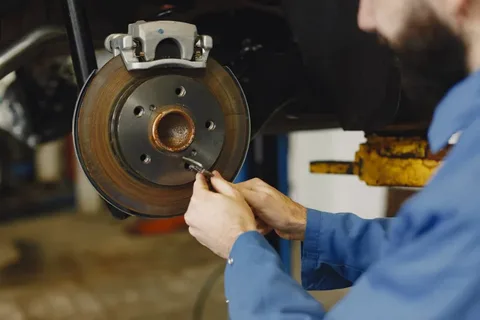
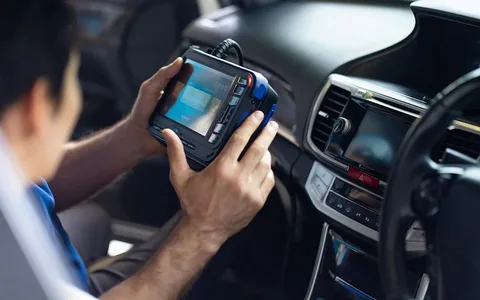
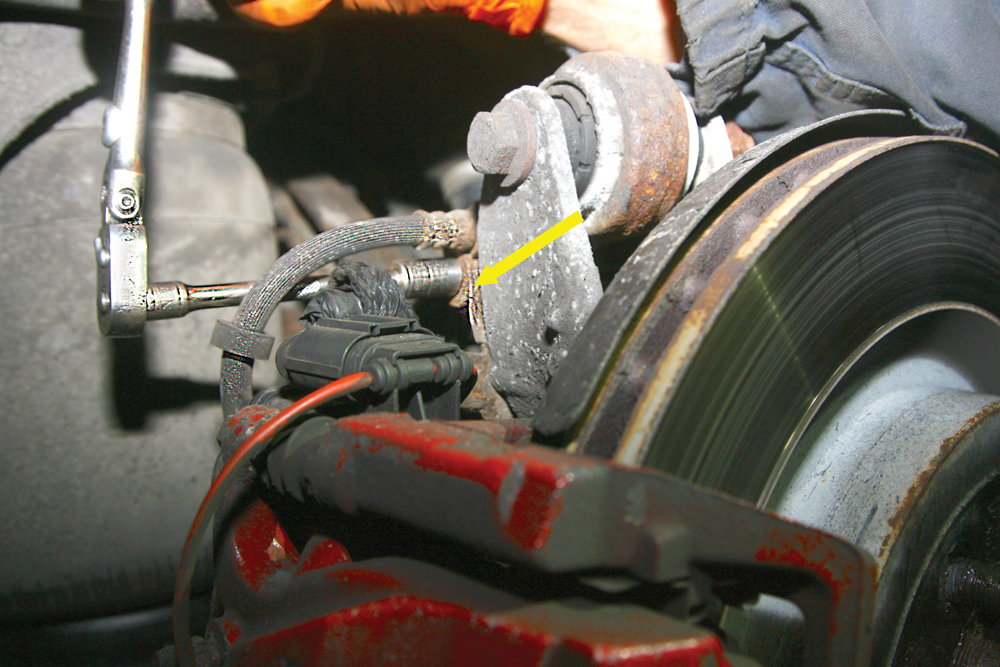
A brake line repair typically costs between $150 and $600, depending on the extent of the damage, your vehicle, and labor rates. Minor brake line repairs may cost $150–$300, while a complete brake line replacement can range from $300–$1,000 or more. Vehicle type, brake line material, and repair complexity all influence the final price.
Your vehicle’s braking system is designed to provide reliable stopping power every time you press the brake pedal. While most drivers are familiar with replacing brake pads or rotors, many overlook one of the most critical components of the braking system—the brake lines. These lines carry hydraulic pressure from the master cylinder to each wheel, allowing your brakes to function properly.
When a brake line becomes damaged, corroded, or starts leaking, your vehicle’s ability to stop safely can be seriously affected. This makes brake line problems one of the most urgent automotive repairs you should never ignore.
What Is a Brake Line?
Brake lines are metal or flexible tubes that transport pressurized brake fluid from the master cylinder to each brake caliper or wheel cylinder. Every time you press the brake pedal, hydraulic pressure travels through these lines, allowing your vehicle to slow down or stop.
Without properly functioning brake lines, hydraulic pressure cannot reach the wheels effectively, resulting in poor braking performance or complete brake failure.
Because brake lines operate under high pressure, they must remain free from leaks, rust, cracks, and physical damage.
Average Brake Line Repair Cost
Brake line repair costs vary depending on whether a small section can be repaired or the entire line must be replaced.
Typical repair costs in the United States include:
- Minor brake line repair: $150–$300
- Single brake line replacement: $200–$500
- Complete brake line replacement: $300–$1,000+
- Brake fluid replacement after repair: $80–$150
- Brake inspection: Free to $100
These estimates usually include both labor and replacement parts, although luxury vehicles and trucks often cost more.
What Affects Brake Line Repair Cost?
Several important factors determine your final repair bill.
Extent of the Damage
A small leak located in an accessible section of the line is much less expensive to repair than replacing multiple damaged lines throughout the vehicle.
If corrosion has spread extensively, technicians may recommend replacing several brake lines rather than repairing only one damaged section.
Vehicle Make and Model
Brake systems differ significantly between manufacturers.
Compact cars often have simpler brake line layouts than luxury vehicles, SUVs, or heavy-duty trucks.
Imported vehicles may also require specialized parts that increase repair costs.
Brake Line Material
Modern vehicles use different types of brake lines.
Common materials include:
- Steel
- Stainless steel
- Copper-nickel alloy
- Flexible rubber hoses
Steel brake lines are durable but susceptible to corrosion over time, especially in regions where road salt is commonly used.
Copper-nickel replacements often cost more initially but provide superior corrosion resistance and longer service life.
Labor Costs
Labor charges vary depending on the repair shop and your location.
Replacing a brake line often requires removing protective covers, routing new lines, bleeding the braking system, and thoroughly testing the repair before the vehicle is returned.
The more difficult the repair, the higher the labor cost.
Additional Brake Repairs
Brake line leaks sometimes contaminate other braking components.
If technicians discover damaged hoses, worn fittings, or contaminated brake fluid, additional repairs may be necessary.
Although this increases the overall cost, it restores the entire braking system to safe operating condition.
Brake Line Repair vs. Brake Line Replacement
Many drivers wonder whether a damaged brake line can simply be repaired.
The answer depends on the condition of the line.
Small isolated damage may sometimes be repaired safely using approved methods.
However, if corrosion has weakened large portions of the line, complete brake line replacement is usually the safest and most reliable solution.
Replacing the entire line eliminates hidden weak points that could fail later.
Common Signs of a Damaged Brake Line
Recognizing brake line problems early can prevent serious accidents and reduce repair costs.
Watch for these warning signs:
- Soft or spongy brake pedal
- Brake fluid leak beneath the vehicle
- Brake warning light
- Longer stopping distances
- Vehicle pulling while braking
- Low brake fluid level
- Visible rust on brake lines
- Sudden loss of braking power
Any of these symptoms should be inspected immediately by a qualified technician.
Why Brake Line Leaks Are Dangerous
Unlike worn brake pads that gradually reduce braking performance, a leaking brake line can lead to rapid hydraulic pressure loss.
Without adequate hydraulic pressure, the brake pedal may sink toward the floor with little stopping ability.
Even a small brake fluid leak should never be ignored because it often worsens over time.
Driving with a damaged brake line places both the driver and everyone else on the road at significant risk.
How Long Does Brake Line Repair Take?
Most brake line repairs require between one and four hours.
Simple repairs involving one accessible section of tubing are often completed quickly.
More extensive repairs requiring multiple lines or difficult routing around the vehicle’s frame naturally require additional labor.
After replacing the line, technicians must bleed the hydraulic brake system to remove trapped air and verify proper brake operation.
Can You Drive With a Damaged Brake Line?
The safest answer is no.
Even if your brakes appear to function normally, a leaking or weakened brake line can fail unexpectedly.
A complete loss of hydraulic pressure may leave you unable to stop your vehicle safely.
If you suspect brake line damage, have the vehicle towed to a repair facility rather than driving it.
How Rust Affects Brake Lines
Corrosion is one of the leading causes of brake line failure.
Vehicles driven in snowy climates often encounter road salt, which accelerates rust formation underneath the vehicle.
Over time, rusted brake lines become thinner and weaker until they eventually leak or burst.
Regular underbody cleaning and inspections help slow corrosion and extend brake line life.
Brake Line Inspection During Routine Maintenance
Many repair shops include brake line inspections during routine maintenance appointments.
During the inspection, technicians check for:
- Corrosion
- Cracks
- Loose fittings
- Fluid leaks
- Physical damage
- Secure mounting clips
Finding problems early allows repairs before complete brake failure occurs.
Ways to Reduce Brake Line Repair Costs
Preventive maintenance remains the most effective way to avoid expensive brake repairs.
Inspect your braking system regularly, keep the underside of your vehicle clean, replace contaminated brake fluid according to manufacturer recommendations, and respond immediately to any brake warning signs.
Scheduling routine inspections allows technicians to identify developing issues before they become major safety concerns.
For owners of imported and luxury vehicles, selecting an experienced repair facility is equally important. Shops like Uptown Import use professional diagnostic procedures and quality replacement components to help restore reliable braking performance.
Conclusion
Brake line repairs typically cost between $150 and $600, although complete replacements can exceed $1,000 depending on your vehicle and the extent of the damage. While the repair cost may seem significant, ignoring a damaged brake line can lead to complete brake failure, costly additional repairs, and serious safety risks.
Routine inspections, timely maintenance, and prompt repairs help extend the life of your braking system while protecting you and your passengers. Whether the issue is a small leak or a severely corroded brake line, addressing the problem quickly is always the safest and most cost-effective decision.
Frequently Asked Questions (FAQs)
How much does it cost to replace a single brake line?
Replacing one brake line usually costs between $200 and $500, including parts and labor, depending on the vehicle and repair complexity.
Is it cheaper to repair or replace a brake line?
Minor damage may be repaired for less, but severely corroded or leaking brake lines are often safer and more cost-effective to replace completely.
How long do brake lines typically last?
Most brake lines last 10 to 20 years, depending on driving conditions, climate, maintenance, and exposure to moisture or road salt.
Can a brake fluid leak come from a brake line?
Yes. A damaged or corroded brake line is one of the most common causes of a brake fluid leak and should be repaired immediately to maintain safe braking performance.
Can I drive with a leaking brake line?
No. Driving with a leaking brake line is extremely dangerous because it can reduce hydraulic pressure, increase stopping distance, or lead to complete brake failure.