
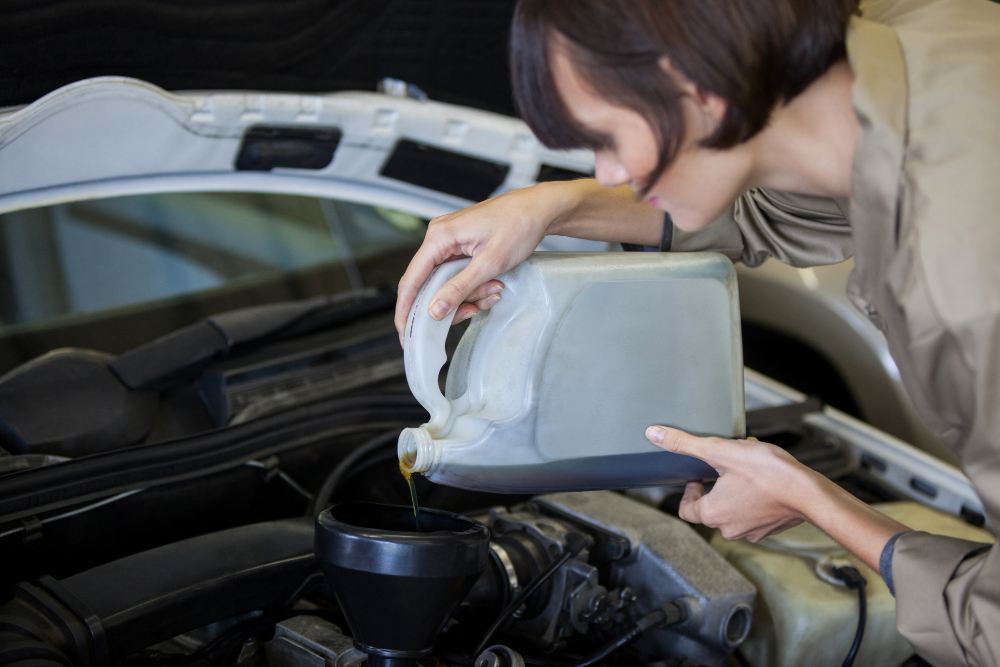
Most cars can go between 5,000 and 10,000 miles without an oil change, depending on the oil type, vehicle manufacturer, driving conditions, and engine design. However, driving beyond the recommended interval can cause increased engine wear, reduced performance, overheating, sludge buildup, and costly repairs. For the best engine protection, always follow your vehicle manufacturer’s oil change schedule.
Engine oil is often called the lifeblood of a vehicle, and for good reason. Every time you start your car, oil begins circulating through the engine, lubricating moving parts, reducing friction, controlling heat, and carrying away contaminants. Without clean, properly functioning oil, even the most reliable engine can suffer severe damage over time.
Despite understanding the importance of oil changes, many drivers occasionally delay routine maintenance. Busy schedules, unexpected expenses, or simple forgetfulness can cause service intervals to stretch longer than recommended. This leads to one of the most common automotive questions: how long can a car go without an oil change?
While modern vehicles and advanced synthetic oils have significantly extended oil change intervals compared to older cars, there are still limits. Ignoring oil maintenance for too long can lead to expensive repairs and reduced engine life.
Understanding how oil works, how long it lasts, and what happens when changes are delayed can help protect your vehicle and save money in the long run.
To understand how long a vehicle can go without an oil change, it’s important to understand the role oil plays inside the engine.
An engine contains hundreds of metal components moving at extremely high speeds. Pistons, crankshafts, camshafts, valves, and bearings constantly create friction as they operate. Without lubrication, these components would generate excessive heat and wear rapidly.
Engine oil serves several critical functions:
As oil ages, its ability to perform these tasks gradually declines. Eventually, the oil becomes contaminated and loses its protective properties.
The answer varies depending on the vehicle, oil type, and driving conditions.
Years ago, the standard recommendation was to change oil every 3,000 miles. Modern engines and synthetic lubricants have extended these intervals significantly.
Today, most manufacturers recommend:
Typically, every 3,000 to 5,000 miles.
Generally, every 5,000 to 7,500 miles.
Often every 7,500 to 10,000 miles, with some vehicles allowing even longer intervals under ideal conditions.
Always consult your owner’s manual for the exact recommendation specific to your vehicle.
Technically, yes.
Most vehicles will continue running even after exceeding the recommended oil change interval. However, that does not mean it is safe or beneficial for the engine.
For example, a vehicle designed for 7,500-mile oil changes may still operate at 9,000 miles without immediate failure. However, the oil may no longer provide optimal protection.
The longer oil remains in service beyond its intended lifespan, the greater the risk of:
Driving significantly beyond recommended intervals becomes increasingly risky.
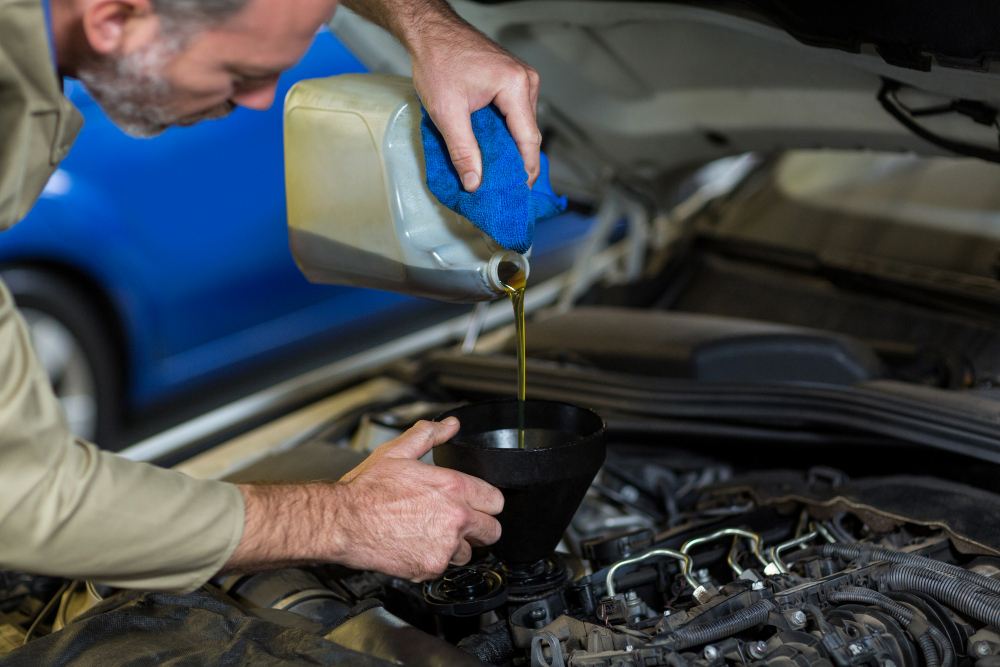
Fresh oil contains additives specifically designed to protect the engine.
Over time, these additives break down due to:
As the oil ages, it becomes thicker, dirtier, and less effective.
Instead of efficiently lubricating engine components, degraded oil can contribute to increased friction and reduced performance.
This gradual deterioration often occurs long before obvious symptoms appear.
Not all miles are equal when it comes to oil longevity.
Certain driving conditions place additional stress on engine oil and may require more frequent changes.
Short drives prevent the engine from reaching full operating temperature.
This allows moisture and fuel contaminants to accumulate within the oil.
Heavy traffic creates repeated heating and cooling cycles that accelerate oil degradation.
Carrying heavy loads increases engine stress and raises operating temperatures.
Very hot or very cold climates can reduce oil effectiveness and shorten service intervals.
Drivers operating under severe conditions often need more frequent maintenance than those driving primarily on highways.
Oil type plays a major role in determining how long a vehicle can safely go between changes.
Conventional oil is derived directly from crude petroleum.
While effective, it breaks down faster under heat and heavy operating conditions.
Synthetic oil is engineered for improved performance.
Benefits include:
Because of these advantages, most modern vehicles now recommend or require synthetic oil.
Even if you don’t remember the exact mileage since your last service, your vehicle may provide warning signs.
Many modern vehicles monitor driving conditions and notify drivers when service is due.
Fresh oil appears amber and relatively transparent.
Old oil often becomes dark, thick, and contaminated.
Oil cushions moving parts. As oil deteriorates, engine noises may become more noticeable.
Increased internal friction can negatively affect fuel efficiency.
Poor lubrication may contribute to rough idling and reduced performance.
These symptoms should not be ignored.
Failing to change engine oil eventually leads to severe consequences.
Initially, the effects may seem minor.
Over time, however, serious damage can occur.
Contaminated oil can form sludge that restricts oil flow throughout the engine.
Metal components experience greater wear as lubrication declines.
Oil helps carry heat away from critical components.
Without proper lubrication, temperatures rise.
Engine bearings rely heavily on oil protection.
Insufficient lubrication can lead to premature failure.
In extreme cases, lack of lubrication can cause catastrophic engine failure.
Repairing or replacing a seized engine often costs thousands of dollars.
There is no universal answer because every vehicle is different.
However, general guidelines include:
Exceeding these intervals occasionally may not immediately damage the engine, but routinely doing so significantly increases wear.
The safest approach is always to follow manufacturer recommendations.
An oil change involves more than replacing the oil itself.
The oil filter captures contaminants and prevents them from circulating through the engine.
Over time, the filter becomes saturated with debris.
Even if the oil remains relatively effective, a clogged filter can restrict oil flow and reduce protection.
Replacing the filter during every oil change helps maintain proper lubrication and engine cleanliness.
Many modern vehicles feature intelligent oil-life monitoring systems.
These systems analyze factors such as:
Rather than relying solely on mileage, they calculate remaining oil life based on actual usage patterns.
Following these systems often provides more accurate service intervals than a fixed mileage schedule.
Some drivers postpone oil changes to save money.
Ironically, delayed maintenance often results in higher repair costs.
A typical oil change is relatively inexpensive compared to repairing:
Investing in routine maintenance remains one of the most cost-effective ways to protect a vehicle.
In many vehicles, yes.
High-quality synthetic oils are specifically designed for extended service intervals.
However, not every driver should automatically assume 10,000 miles is appropriate.
Factors such as:
All influence actual oil life.
Following the owner’s manual remains the most reliable approach.
Maintenance records play a significant role in resale value.
Potential buyers often view documented oil changes as evidence that the vehicle has been properly cared for.
Consistent maintenance can:
Skipping maintenance may negatively affect future vehicle value.
Professional technicians do more than drain and refill oil.
During service, they often inspect:
Uptown Imports understand the importance of preventative maintenance and comprehensive vehicle inspections, helping drivers address small issues before they become major repairs.
If your goal is long-term reliability, few maintenance tasks are more important than regular oil changes.
To maximize engine lifespan:
These simple practices can help engines remain reliable for hundreds of thousands of miles.
Most modern vehicles can safely travel between 5,000 and 10,000 miles between oil changes, depending on the oil type, vehicle design, and driving conditions. While exceeding the recommended interval occasionally may not cause immediate failure, delaying oil changes for too long increases engine wear, reduces performance, and raises the risk of expensive repairs.
Engine oil plays a vital role in lubrication, cooling, cleaning, and protecting internal components. As oil ages, its effectiveness declines, making routine maintenance essential for long-term reliability.
Following your manufacturer’s recommended oil change schedule remains one of the simplest and most affordable ways to extend engine life, improve efficiency, and protect your investment.