
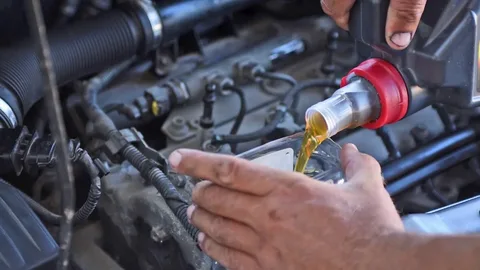
To change oil in a car, warm the engine, lift the vehicle safely, drain the old engine oil, replace the oil filter, reinstall the drain plug, add fresh engine oil, and check the oil level. Always use the manufacturer-recommended oil type and replace the filter during every oil change to help protect the engine and maintain optimal performance.
Changing your car’s oil is one of the most important maintenance tasks you can perform to keep your vehicle running smoothly. Fresh oil lubricates the engine’s moving parts, reduces friction, prevents overheating, and helps remove dirt and contaminants that build up over time. Whether you drive daily or only on weekends, regular oil changes play a major role in extending your engine’s lifespan and maintaining reliable performance.
Many drivers choose to visit a repair shop for this service, but learning how to change oil in a car can save money, help you better understand your vehicle, and give you confidence in performing basic maintenance. While the process is straightforward, following the correct steps and using the proper tools are essential to ensure the job is done safely and effectively.
Why Regular Oil Changes Are Important
Your engine contains hundreds of moving metal parts that generate heat and friction every time you drive. Without clean engine oil, these components would wear out quickly.
Fresh oil helps:
- Lubricate engine parts
- Reduce friction and heat
- Improve fuel efficiency
- Prevent sludge buildup
- Protect internal engine components
- Extend engine life
- Improve overall engine performance
Over time, oil becomes contaminated with dirt, carbon deposits, and tiny metal particles. As the oil breaks down, it loses its ability to protect the engine effectively.
Replacing it at the recommended interval helps prevent costly engine repairs.
Tools and Supplies You’ll Need
Before starting your oil change, gather all necessary tools and materials.
You’ll need:
- New motor oil
- New oil filter
- Oil drain pan
- Socket wrench
- Oil filter wrench
- Funnel
- Gloves
- Safety glasses
- Jack and jack stands or ramps
- Shop towels
Having everything ready before you begin makes the process faster and safer.
Choose the Right Oil
Not every vehicle uses the same oil.
Always consult your owner’s manual for the correct oil viscosity and specifications.
You may choose between:
- Synthetic oil
- Conventional oil
- Synthetic blend oil
Synthetic oil generally provides better protection under extreme temperatures and often lasts longer between oil changes.
Using the recommended oil ensures proper lubrication and optimal engine performance.
Step 1: Warm the Engine
Start the vehicle and let it run for about five minutes.
Warm oil flows more easily than cold oil, allowing contaminants to drain more completely.
Avoid overheating the engine. It should be warm but not excessively hot before beginning the oil change.
Turn the engine off before continuing.
Step 2: Park Safely
Park the vehicle on a flat, level surface.
Engage the parking brake and allow the engine to cool slightly.
If additional clearance is needed, carefully raise the vehicle using a jack and secure it with jack stands or drive it onto ramps.
Never work beneath a vehicle supported only by a hydraulic jack.
Safety should always come first.
Step 3: Locate the Oil Drain Plug
Slide the drain pan beneath the oil pan.
Locate the oil drain plug at the bottom of the engine.
Using the correct socket wrench, carefully loosen the plug while keeping your hands clear of the draining oil.
Allow the old oil to drain completely into the pan.
This process usually takes several minutes.
Step 4: Remove the Old Oil Filter
After the oil has drained, locate the oil filter.
Use the oil filter wrench to loosen and remove it.
Some oil will spill from the filter, so keep the drain pan underneath.
Before installing the new filter, lightly coat the rubber gasket with fresh oil.
This helps create a proper seal and makes future removal easier.
Install the new filter according to the manufacturer’s instructions.
Hand-tightening is usually sufficient.
Step 5: Reinstall the Drain Plug
Inspect the drain plug and washer for signs of damage.
Replace the washer if necessary.
Reinstall the drain plug carefully and tighten it securely according to the manufacturer’s recommended torque specification.
Avoid overtightening, which can damage the oil pan threads.
Step 6: Add Fresh Oil
Open the hood and remove the oil filler cap.
Place a funnel into the opening.
Slowly pour the recommended amount of fresh engine oil into the engine.
Most passenger vehicles require between four and six quarts, although capacities vary by model.
Always check your owner’s manual for the correct amount.
Step 7: Check the Oil Level
After filling the engine, wait a few minutes to allow the oil to settle.
Remove the dipstick, wipe it clean, reinsert it fully, and pull it out again.
Check the oil level to ensure it falls within the recommended range.
Add more oil if necessary, but avoid overfilling the engine.
Too much oil can be just as harmful as too little.
Step 8: Start the Engine
Start the engine and allow it to idle for about one minute.
Watch for warning lights and inspect underneath the vehicle for leaks around the oil filter and drain plug.
Turn the engine off and wait several minutes before checking the oil level one final time.
Make any necessary adjustments.
Dispose of Used Oil Properly
Never pour used oil onto the ground or into household drains.
Collect the old oil in a sealed container and take it to a recycling center or automotive parts store that accepts used oil and filters.
Recycling protects the environment while ensuring hazardous materials are handled responsibly.
How Often Should You Change Your Oil?
The ideal oil change interval depends on your vehicle, driving habits, and the type of oil used.
Many modern vehicles can safely travel between 5,000 and 10,000 miles using synthetic oil.
Older vehicles using conventional oil may require changes every 3,000 to 5,000 miles.
Always follow your manufacturer’s maintenance recommendations.
Common Mistakes to Avoid
Even a simple oil change can lead to problems if mistakes are made.
Avoid these common errors:
- Using the wrong oil viscosity
- Forgetting to replace the oil filter
- Overfilling the engine
- Leaving the old filter gasket attached
- Overtightening the drain plug
- Under-tightening the oil filter
- Forgetting to reinstall the drain plug
- Failing to check for leaks
Taking your time helps ensure the job is completed correctly.
Benefits of Doing Your Own Oil Change
Learning to change your own oil offers several advantages.
You gain greater understanding of your vehicle, save money on labor costs, choose the exact oil and filter you prefer, and have the opportunity to inspect other components during routine vehicle maintenance.
Many drivers also enjoy the satisfaction of completing one of the most important maintenance tasks themselves.
When You Should Visit a Professional
While changing oil is manageable for many vehicle owners, some situations require professional assistance.
Vehicles with difficult engine access, damaged drain plugs, oil leaks, or maintenance warning lights should be inspected by experienced technicians.
If you’re uncomfortable working underneath your vehicle or lack the necessary tools, professional service provides peace of mind.
For drivers seeking expert automotive maintenance and reliable service, Uptown Import offers experienced technicians who can perform oil changes while inspecting your vehicle for other potential issues.
Conclusion
Changing your car’s oil is one of the simplest yet most valuable maintenance tasks you can perform. Regular oil changes keep your engine properly lubricated, reduce wear, improve fuel efficiency, and help prevent costly repairs.
By following the proper steps—warming the engine, draining the old oil, replacing the filter, adding the correct amount of fresh oil, and checking for leaks—you can confidently complete this maintenance task at home.
Whether you choose to change the oil yourself or have it serviced professionally, staying consistent with routine oil changes is one of the best investments you can make in the long-term health and reliability of your vehicle.
Frequently Asked Questions (FAQs)
How often should I change my car’s oil?
Most modern vehicles need an oil change every 5,000 to 10,000 miles with synthetic oil, while older vehicles using conventional oil may require changes every 3,000 to 5,000 miles.
Can I change my car’s oil without replacing the oil filter?
It is not recommended. Replacing the oil filter during every oil change helps remove contaminants and allows clean oil to circulate properly through the engine.
What happens if I put too much oil in my engine?
Overfilling the engine can create excessive pressure, cause oil foaming, damage seals, and reduce engine performance. Always fill to the recommended level.
How do I know which oil my car needs?
Check your owner’s manual or the oil cap for the manufacturer’s recommended oil viscosity and specifications before purchasing engine oil.
Is changing your own oil worth it?
Yes. Performing your own oil change can save money, help you learn more about your vehicle, and ensure high-quality oil and filters are used, provided the job is done correctly and safely.