
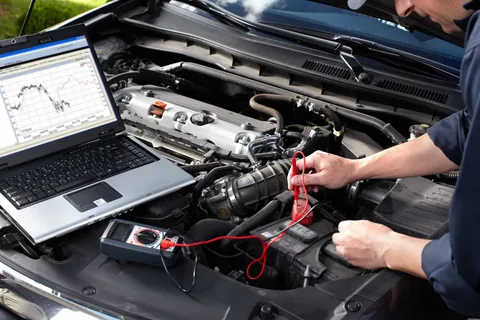
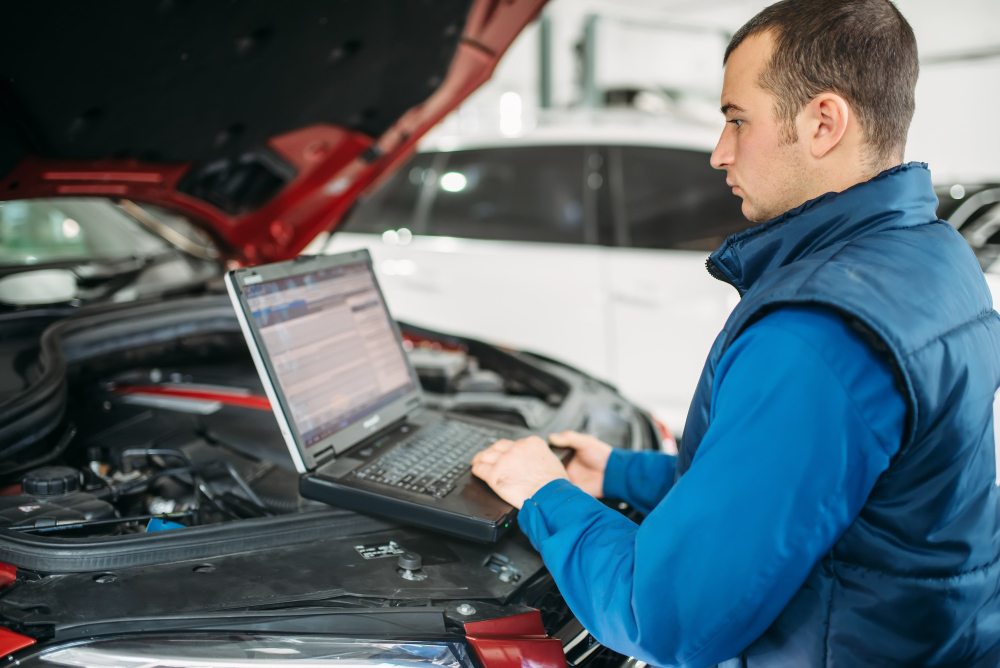
Auto diagnostics is the process of using specialized diagnostic equipment to identify problems in a vehicle’s engine, electrical systems, transmission, emissions, and other components. A professional diagnostic scan can help identify trouble codes and potential issues before they develop into expensive repairs. Regular vehicle diagnostics can also help drivers understand warning lights, unusual performance, and hidden problems that may not be obvious during a basic inspection.
Modern vehicles are more advanced than ever. They contain numerous electronic control units, sensors, and computer-controlled systems that constantly monitor how the vehicle operates. When something goes wrong, the vehicle’s computer may store a diagnostic trouble code (DTC). Auto diagnostic equipment can retrieve these codes and provide technicians with valuable information about what may be causing a problem.
What Is Auto Diagnostics?
Auto diagnostics involves checking a vehicle’s electronic and computer-controlled systems with specialized equipment. A technician typically connects a diagnostic scanner to the vehicle’s onboard diagnostic system, commonly known as OBD-II in modern vehicles.
Once connected, the scanner can communicate with the vehicle’s computer and retrieve stored trouble codes. These codes can indicate possible problems involving components such as the engine, oxygen sensors, ignition system, fuel system, transmission, emissions equipment, and more.
However, a diagnostic code does not always identify the exact part that needs to be replaced. It gives technicians an important starting point for further testing. An experienced technician may perform additional inspections, electrical tests, sensor checks, and mechanical tests to determine the actual cause of the problem.
How Does Car Diagnostic Testing Work?
The process usually begins with a technician asking about the symptoms you have noticed. Information such as warning lights, unusual noises, poor acceleration, rough idling, or changes in fuel economy can help guide the inspection.
The technician then connects a diagnostic scanner to the vehicle. The scanner communicates with the vehicle’s computer systems and checks for stored or active trouble codes.
After retrieving the information, the technician interprets the codes and examines the related components. Depending on the problem, additional testing may be necessary.
For example, if the diagnostic system reports an oxygen sensor-related code, replacing the sensor immediately may not always solve the problem. The technician may need to check wiring, electrical connections, exhaust leaks, or other related components.
This combination of computer diagnostics and hands-on testing allows technicians to identify problems more accurately.
Why Does Your Car Need Auto Diagnostics?
One of the biggest advantages of auto diagnostics is that it can help identify problems before they become more serious. Some vehicle problems may not produce obvious symptoms during the early stages. A diagnostic scan can provide useful information about potential issues that may otherwise go unnoticed.
Here are several reasons your vehicle may need diagnostic testing.
1. To Identify Warning Lights
The check engine light is one of the most recognizable warning signs on a vehicle’s dashboard. When this light comes on, the vehicle’s computer has detected a condition that requires attention.
A diagnostic scan can retrieve the trouble code associated with the warning light. This helps the technician determine which system needs further inspection.
Other dashboard warning indicators may also require professional testing, especially when they are accompanied by unusual vehicle behavior.
2. To Find Hidden Problems
Not every mechanical or electrical problem is immediately noticeable. A vehicle may continue to drive normally even when a sensor, electrical circuit, or emissions component is beginning to fail.
Diagnostic testing can uncover stored codes and system information that may provide an early indication of a developing problem.
Finding an issue early can give you an opportunity to address it before it affects other components.
3. To Improve Vehicle Performance
Problems with sensors, ignition components, fuel delivery, air intake, or other systems can affect how a vehicle performs.
You may notice symptoms such as:
- Rough idling
- Slow acceleration
- Engine hesitation
- Reduced fuel economy
- Difficulty starting
- Stalling
- Unusual engine behavior
Auto diagnostics can help narrow down the possible causes of these symptoms.
4. To Diagnose Electrical Problems
Modern vehicles rely heavily on electrical systems. Everything from lighting and sensors to engine management and communication systems can depend on electrical components.
Electrical faults can sometimes be difficult to identify through a visual inspection alone. Diagnostic equipment, combined with electrical testing, can help technicians investigate communication errors, sensor problems, wiring issues, and other faults.
5. To Prevent Expensive Repairs
Ignoring a warning light or unusual vehicle behavior may allow a relatively small problem to become more complicated.
For example, a malfunctioning sensor may affect how another system operates. Continued driving with an unresolved issue can sometimes contribute to additional component wear or damage.
Diagnostic testing can help identify the source of a problem so that appropriate repairs can be considered before the situation becomes more serious.
Common Problems Detected Through Auto Diagnostics
Vehicle diagnostic systems can provide information about many different systems. Depending on the vehicle, diagnostic testing may help identify issues involving:
- Engine management systems
- Transmission controls
- Oxygen sensors
- Airflow sensors
- Ignition systems
- Fuel systems
- Emissions components
- Electrical systems
- Battery and charging systems
- Anti-lock braking systems
- Airbag systems
- Electronic stability systems
The exact systems that can be tested depend on the vehicle’s make, model, year, and onboard technology.
Signs Your Car May Need Diagnostic Testing
You don’t necessarily have to wait for a major breakdown before getting your vehicle checked. Certain symptoms may indicate that diagnostic testing is appropriate.
Consider having your vehicle inspected if you notice:
Check engine light: A warning light that stays illuminated should not automatically be ignored.
Poor fuel economy: A noticeable decrease in fuel efficiency may indicate an engine, fuel, sensor, or emissions-related problem.
Rough running: Shaking, hesitation, or inconsistent engine operation can have several possible causes.
Starting problems: Difficulty starting may involve the battery, starter, ignition, fuel system, or other components.
Loss of power: Reduced acceleration can be associated with various engine or transmission issues.
Unusual dashboard warnings: Electronic warning indicators may require diagnostic testing to identify the affected system.
How Often Should You Get Auto Diagnostics?
There is no single diagnostic interval that applies to every vehicle. Routine maintenance schedules vary based on the manufacturer’s recommendations, vehicle age, mileage, driving conditions, and overall condition.
A diagnostic scan may be appropriate whenever a warning light appears or when you notice unusual performance. It can also be useful during a comprehensive vehicle inspection or when purchasing a used vehicle.
If your vehicle is already experiencing symptoms, waiting for the problem to become worse is generally not a good maintenance strategy. Getting the vehicle inspected can help determine whether the issue requires immediate attention.
Can Auto Diagnostics Prevent Breakdowns?
Diagnostic testing cannot guarantee that a vehicle will never break down. Cars contain mechanical parts that can wear out unexpectedly. However, diagnostics can help identify certain electronic and computer-monitored problems before they become more serious.
The key is to use diagnostic testing as part of a broader maintenance strategy. Regular oil changes, fluid inspections, brake maintenance, tire care, scheduled services, and professional inspections are also important for keeping a vehicle reliable.
Choosing a Professional Auto Diagnostic Service
When your vehicle develops a problem, choosing a qualified automotive service provider can make the diagnostic process easier. Look for a shop with modern diagnostic equipment and technicians who understand both electronic systems and traditional mechanical components.
A good diagnostic process should involve more than simply reading a code and replacing a part. Technicians should investigate the underlying cause of the problem and explain their findings before recommending repairs.
For drivers looking for professional vehicle diagnostic assistance, Uptown Import can provide diagnostic services designed to help identify potential vehicle problems and determine the appropriate next steps.
Final Thoughts
Auto diagnostics has become an important part of modern vehicle maintenance. Today’s cars rely on sophisticated computers and electronic systems, making diagnostic equipment valuable when warning lights or performance problems appear.
Whether your check engine light has appeared, your vehicle is running differently, or you are experiencing an unexplained electrical or performance issue, diagnostic testing can help identify where the problem may be located.
Most importantly, a diagnostic scan is only the beginning of the repair process. Proper interpretation, additional testing, and professional inspection are often necessary to determine the exact cause. Addressing problems early can help protect your vehicle’s performance, reliability, and long-term condition.


