
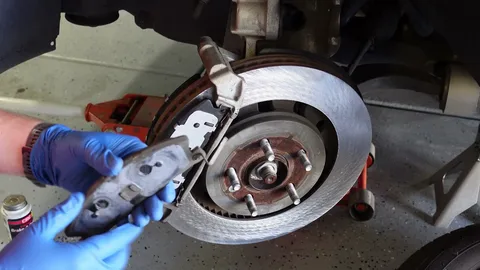
A brake repair typically takes between 30 minutes and 3 hours, depending on the type of repair, your vehicle, and the condition of the braking system. Simple brake pad replacements can often be completed within an hour, while repairs involving rotors, calipers, or brake lines may take several hours.
One of the most common questions vehicle owners ask is, “How long does a brake repair take?” The answer depends on several factors, including the type of repair, your vehicle’s make and model, the condition of the braking system, and whether replacement parts are immediately available.
Some brake services can be completed in less than an hour, while more extensive repairs may require several hours or even a full day. Understanding the repair process helps you plan your schedule and ensures your vehicle remains safe to drive.
In this guide, you’ll learn everything you need to know about brake repair timelines, the factors that affect repair time, common brake problems, maintenance tips, and how to choose the right repair shop.
Why Brake Repairs Are So Important
Your brakes are your vehicle’s first line of defense against accidents. Even a small issue can significantly increase stopping distance and reduce your ability to control the vehicle during emergencies.
Ignoring worn brakes can lead to:
- Longer stopping distances
- Damage to expensive brake components
- Reduced driving safety
- Poor vehicle performance
- Higher repair costs
- Increased risk of accidents
Addressing brake problems early often saves both time and money.
Average Brake Repair Times
Every repair is different, but most brake services fall within a predictable time range.
Brake Pad Replacement
Estimated Time: 30 Minutes to 1 Hour
Brake pads wear faster than most braking components because they create the friction needed to stop your vehicle.
If only the pads need replacement and the rotors remain in good condition, the repair is relatively quick.
Most professional technicians can complete this service in under an hour.
Brake Rotor Replacement
Estimated Time: 1 to 2 Hours
Rotors can become warped, cracked, or worn after thousands of miles.
Replacing rotors takes longer because technicians must remove the old rotors, inspect surrounding components, and install new ones correctly.
Brake Pads and Rotors Together
Estimated Time: 1.5 to 2.5 Hours
Many repair shops recommend replacing brake pads and rotors together.
Doing both services simultaneously ensures even braking performance and prevents premature wear.
Brake Caliper Replacement
Estimated Time: 2 to 3 Hours
Brake calipers apply pressure to the brake pads.
When a caliper sticks or leaks, it affects braking performance and can damage the rotors.
Replacing calipers involves additional work because the hydraulic brake system must be opened and bled afterward.
Brake Fluid Flush
Estimated Time: 30 Minutes to 1 Hour
Brake fluid attracts moisture over time, reducing braking efficiency.
A brake fluid flush removes contaminated fluid and replaces it with fresh fluid, restoring hydraulic performance.
Brake Line Repair
Estimated Time: 2 to 4 Hours
Brake lines carry hydraulic pressure throughout the braking system.
If a brake line leaks or becomes damaged, technicians must replace it carefully and bleed the system afterward.
ABS System Repairs
Estimated Time: 2 to 5 Hours
Modern vehicles use Anti-lock Braking Systems (ABS) with sensors, modules, and electronic controls.
Repair times vary depending on which component has failed.
What Factors Affect Brake Repair Time?
Not every brake repair takes the same amount of time.
Several factors influence how quickly technicians can complete the job.
Type of Vehicle
Luxury vehicles, sports cars, SUVs, and trucks often require more complex brake systems.
Some imported vehicles also require specialized tools or manufacturer-specific procedures.
Extent of Damage
Replacing worn brake pads is straightforward.
However, if damaged rotors, seized calipers, leaking brake lines, or ABS problems are discovered during inspection, repair time increases.
Rust and Corrosion
Vehicles driven in snowy or coastal environments often develop rust.
Rusted bolts and seized components require additional labor to remove safely.
Parts Availability
If replacement parts are in stock, repairs can usually begin immediately.
If special parts must be ordered, your vehicle may remain in the shop longer.
Shop Workload
Busy repair shops may schedule repairs throughout the day.
Even simple repairs can take longer if technicians are working on multiple vehicles.
Additional Inspections
Professional mechanics inspect the entire braking system before beginning repairs.
Sometimes they discover unrelated issues that also require attention.
Common Signs Your Brakes Need Repair
Recognizing brake problems early can prevent expensive repairs later.
Watch for these warning signs:
- Squealing or squeaking noises
- Grinding sounds while braking
- Brake warning light illuminated
- Soft or spongy brake pedal
- Vehicle pulling to one side
- Steering wheel vibration
- Burning smell after braking
- Longer stopping distance
If you notice any of these symptoms, schedule an inspection as soon as possible.
What Happens During a Brake Repair?
Many drivers wonder what technicians actually do during a brake service.
The process usually includes:
Brake Inspection
Technicians inspect:
- Brake pads
- Rotors
- Calipers
- Brake hoses
- Brake lines
- Brake fluid
- Master cylinder
Removing Worn Components
Old brake pads, damaged rotors, or faulty calipers are removed carefully.
Cleaning Components
Brake dust and debris are cleaned from mounting surfaces.
Proper cleaning improves brake performance and extends component life.
Installing New Parts
New components are installed according to manufacturer specifications.
Technicians use proper torque settings to ensure safe installation.
Brake System Testing
After installation, the braking system is tested to verify proper operation.
Road testing ensures everything functions correctly before the vehicle is returned.
Can You Wait While Your Brakes Are Repaired?
In many cases, yes.
Simple brake services can often be completed while you wait.
These include:
- Brake pad replacement
- Brake inspection
- Brake fluid flush
More complicated repairs involving multiple components may require leaving your vehicle for several hours or an entire day.
Should You Drive with Bad Brakes?
No.
Driving with faulty brakes puts you, your passengers, and other drivers at risk.
Ignoring brake problems can also cause additional damage to expensive components such as:
- Rotors
- Calipers
- Wheel bearings
- Suspension components
- Tires
Repairing small issues early usually costs much less than replacing an entire braking system.
How Often Should Brakes Be Inspected?
Most automotive experts recommend inspecting brakes:
- Every 10,000 to 15,000 miles
- During every tire rotation
- At every oil change if unusual symptoms appear
- Before long road trips
Regular inspections help detect wear before it becomes dangerous.
Tips to Make Brake Repairs Last Longer
Proper driving habits can significantly extend brake life.
Here are several helpful tips.
Drive Smoothly
Avoid sudden hard braking whenever possible.
Gentle braking reduces wear on brake pads and rotors.
Maintain Safe Following Distance
Keeping extra distance between vehicles allows gradual braking instead of emergency stops.
Avoid Riding the Brakes
Resting your foot on the brake pedal creates unnecessary friction.
Reduce Vehicle Weight
Extra cargo increases braking force and accelerates brake wear.
Replace Brake Fluid Regularly
Fresh brake fluid keeps hydraulic components working efficiently.
Schedule Routine Maintenance
Regular inspections identify minor issues before they become major repairs.
Are Brake Repairs Expensive?
Brake repair costs vary depending on several factors.
Pricing depends on:
- Vehicle make and model
- Type of repair
- Labor rates
- Replacement parts
- OEM versus aftermarket components
- Local repair shop pricing
Although brake repairs require an investment, delaying service often leads to more expensive repairs later.
Choosing the Right Brake Repair Shop
Selecting a reputable repair shop is just as important as replacing worn brake components.
Look for a repair facility that offers:
- Certified technicians
- Transparent pricing
- Quality replacement parts
- Warranty on repairs
- Modern diagnostic equipment
- Excellent customer reviews
A trusted service provider such as Uptown Import understands the importance of accurate diagnostics, quality workmanship, and timely brake repairs to keep vehicles operating safely.
Frequently Asked Questions About Brake Repairs
Many drivers have similar questions before scheduling brake service.
Do all four brakes need to be replaced at the same time?
Not always. Front brakes typically wear faster than rear brakes. A technician can inspect your braking system and recommend replacing only the components that have reached their wear limits.
Can worn brake pads damage rotors?
Yes. If brake pads wear completely, the metal backing plate can grind directly against the rotor, causing expensive damage that often requires rotor replacement.
Why does my brake pedal feel soft after braking?
A soft brake pedal may indicate air in the brake lines, contaminated brake fluid, or a hydraulic leak. This issue should be inspected immediately because it can reduce braking performance.
Is it safe to drive if my brakes are making noise?
No. While some noises may be minor, squealing or grinding often indicates worn brake components. Continuing to drive can increase repair costs and compromise safety.
How can I tell if my brake rotors need replacing?
Common signs include steering wheel vibration while braking, deep grooves on the rotor surface, excessive rust, unusual noises, or reduced braking performance. A professional inspection is the best way to determine whether replacement is necessary.
Final Thoughts
Brake repair times vary depending on the condition of your vehicle and the type of service required, but most common repairs take between 30 minutes and 3 hours. Simple brake pad replacements are often completed quickly, while more complex jobs involving rotors, calipers, brake lines, or ABS components naturally require additional time.
Staying proactive with brake inspections and addressing warning signs early helps prevent costly repairs, improves vehicle performance, and most importantly, keeps you and your passengers safe on the road. Whether you’re preparing for a daily commute or a long road trip, investing in timely brake maintenance ensures reliable stopping power and peace of mind every time you get behind the wheel.