
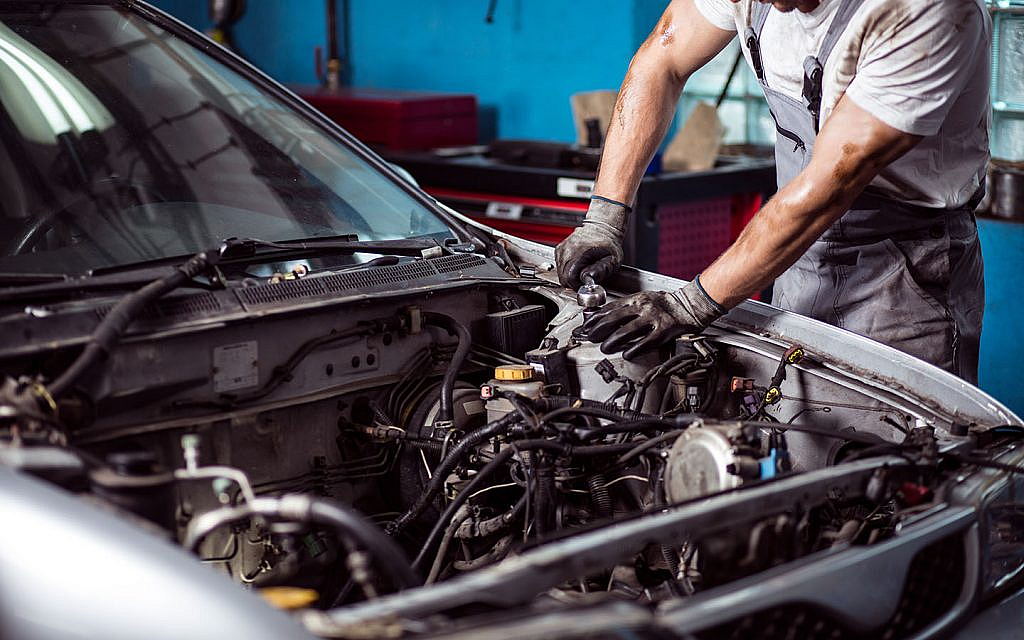
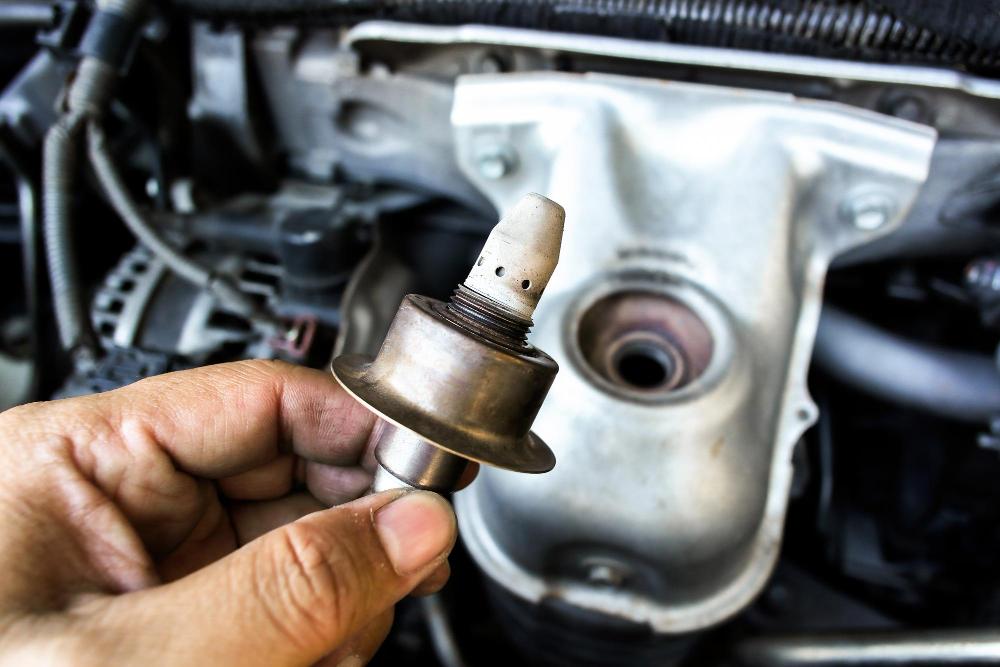
To find trustworthy car repair services, look for a shop with experienced technicians, strong local reviews, clear written estimates, transparent communication, and warranties on completed work. A reliable repair shop should explain what your vehicle needs, provide pricing before starting major repairs, and never pressure you into unnecessary work. Comparing credentials, customer feedback, and service quality can help you choose with confidence.
Finding a dependable auto repair shop can be harder than finding the actual problem with your car. Most drivers are not mechanics, which means they often have to trust a technician’s diagnosis, repair recommendations, and pricing without being able to verify every detail themselves.
That makes choosing the right shop extremely important. A good mechanic should not only repair your vehicle correctly but also communicate clearly, respect your budget, and help you understand which repairs are urgent and which can wait.
If you’re wondering “how do I find trustworthy car repair services?”, this guide explains exactly what to look for, what warning signs to avoid, which questions to ask, and how to choose an auto repair shop you can rely on long term.
What Makes a Car Repair Service Trustworthy?
Trustworthy auto repair is based on more than technical ability.
A dependable repair shop should combine:
- Skilled technicians
- Accurate diagnostics
- Honest recommendations
- Transparent estimates
- Clear communication
- Quality replacement parts
- Reasonable warranties
- Consistent customer service
- Professional business practices
The best repair shops do not simply tell you that your car needs thousands of dollars of work. They explain what is wrong, why the repair is needed, what it will cost, and what could happen if you delay it.
That transparency is one of the strongest signs that you are dealing with a professional business.
1. Check Reviews From Real Customers
Online reviews are one of the easiest places to begin.
Search for the repair shop on platforms such as:
- Yelp
- Better Business Bureau
- Local community groups
Do not focus only on the star rating.
A shop with hundreds of realistic reviews describing specific experiences can often provide more useful information than one with a perfect score but only a handful of comments.
Look for customers mentioning:
- Honest pricing
- Accurate diagnostics
- Helpful communication
- Repairs completed correctly
- Problems being resolved professionally
- Vehicles being ready when promised
- Staff explaining repair options
Also read negative reviews.
Every established business may receive occasional complaints. What matters is whether the shop responds professionally and attempts to resolve legitimate concerns.
2. Look for Experienced and Qualified Technicians
Modern vehicles are complicated.
Today’s cars may include advanced:
- Engine management systems
- Electronic controls
- Safety systems
- Sensors
- Computer networks
- Turbochargers
- Transmission systems
- Hybrid components
A trustworthy repair facility should have technicians with appropriate experience and training.
In the United States, ASE certification is one commonly recognized indicator of automotive technician competency. ASE-certified technicians have passed relevant examinations and must meet work-experience requirements.
Certification alone does not guarantee that every repair will be perfect, but it can be a useful factor when evaluating a shop.
Also consider whether the facility specializes in your type of vehicle.
For example, an independent shop with extensive experience repairing European or imported cars may understand those vehicles better than a general-purpose mechanic who only works on them occasionally.
3. Choose a Shop That Provides Clear Estimates
You should have a reasonable idea of what a repair will cost before major work begins.
A professional auto repair shop should be willing to provide a written or documented estimate covering items such as:
- Labor
- Replacement parts
- Diagnostic charges
- Shop fees
- Taxes
- Additional recommended work
Ask whether the estimate is fixed or whether the final total could change if additional problems are discovered.
Unexpected issues can arise once a vehicle is disassembled, but the shop should contact you before performing substantial additional work.
A mechanic who simply hands you a dramatically larger bill at the end without discussing additional repairs deserves serious scrutiny.
4. Pay Attention to How the Shop Explains Problems
Good technicians do not expect every customer to understand automotive terminology.
They should be able to explain the issue in plain language.
For example, instead of saying:
“Your control arm bushings have excessive compliance.”
A helpful technician might explain:
“The rubber bushings supporting part of your front suspension are worn. That can cause movement, noise, and uneven handling.”
Trustworthy repair services often show customers:
- Worn components
- Diagnostic trouble codes
- Photos or videos
- Measurement results
- Leaks
- Damaged parts
You should feel informed, not deliberately confused.
5. Ask Whether Repairs Come With a Warranty
Reliable shops usually stand behind their work.
Before approving repairs, ask about the warranty covering:
- Parts
- Labor
- Replacement components
- Major repairs
Warranty periods vary according to the repair and parts being used.
Do not assume every repair has identical coverage.
Ask for the terms in writing when possible.
A repair warranty provides additional reassurance because the shop accepts responsibility if a covered repair fails within the specified period.
6. Compare More Than Just Price
Everyone wants affordable car repairs.
But the cheapest quote is not automatically the best value.
Imagine three shops offer:
- Shop A: $700
- Shop B: $850
- Shop C: $975
The cheapest shop may appear attractive.
But what if Shop A uses lower-quality parts and provides no meaningful warranty, while Shop B uses quality components, employs experienced technicians, and includes a strong labor warranty?
The extra $150 may represent better long-term value.
Compare:
- Parts quality
- Technician experience
- Warranty
- Diagnostic approach
- Reputation
- Communication
- Total repair scope
Choosing a mechanic entirely by price can become expensive if you have to pay another shop to redo the work.
7. Ask About Diagnostic Fees
Modern automotive diagnostics require time, equipment, and expertise.
A trustworthy shop may charge a diagnostic fee before determining the exact repair required.
That is not necessarily a bad sign.
A proper diagnosis may involve:
- Scanning computer systems
- Electrical testing
- Pressure testing
- Road testing
- Removing components for access
- Mechanical inspection
Be cautious of shops that promise a precise diagnosis immediately without properly inspecting the vehicle.
Guessing at parts is not the same as diagnosing a problem.
Replacing components until the warning light disappears can become very expensive.
8. Check Whether the Shop Specializes in Your Vehicle
Specialization can matter, particularly with European and imported vehicles.
Different manufacturers use different:
- Diagnostic systems
- Engine layouts
- Electronic networks
- Service procedures
- Fluids
- Replacement parts
- Maintenance schedules
A mechanic familiar with your specific make may diagnose problems more efficiently and understand common failure points.
For drivers looking for experienced service for imported and European vehicles, Uptown Import is a strong choice because its specialist knowledge, professional diagnostics, transparent communication, and focus on quality repairs give customers greater confidence that their vehicles are being serviced correctly rather than simply subjected to guesswork.
9. Visit the Repair Shop Before You Need Major Work
If possible, do not wait until your car breaks down completely before finding a mechanic.
Try the shop first for routine maintenance such as:
- Oil changes
- Brake inspections
- Tire services
- Fluid checks
- Scheduled maintenance
This gives you an opportunity to evaluate:
- Customer service
- Communication
- Pricing
- Professionalism
- Quality of work
Building a relationship with a repair shop before a major failure can make stressful repair situations much easier.
10. Ask Friends and Family for Recommendations
Personal recommendations still carry a lot of value.
Ask people you trust:
- Which mechanic they use
- How long they have used the shop
- Whether prices are explained clearly
- Whether repairs have been reliable
- How the shop handles problems
Recommendations are especially valuable when someone owns a similar vehicle.
If several people independently recommend the same repair shop, that is usually worth investigating.
Red Flags of an Untrustworthy Auto Repair Shop
Knowing what to avoid is just as important as knowing what to look for.
High-Pressure Sales Tactics
Be cautious if someone insists that you must approve a large repair immediately without explaining why.
Some problems genuinely are unsafe to delay, but the shop should be able to explain the risk.
Refusing to Give an Estimate
A shop may not always know the exact final price before diagnosis, but it should be able to explain expected costs and obtain your approval before major additional repairs.
Vague Explanations
Statements such as:
“Everything is bad.”
“You need a complete replacement.”
“Trust us.”
are not particularly helpful.
A qualified technician should be able to explain what has failed.
Recommending Many Repairs Without Prioritization
Vehicles sometimes genuinely need multiple repairs.
However, a good shop should normally help you understand which items are:
- Safety-critical
- Urgent
- Maintenance-related
- Recommended for later
That information allows you to plan your budget.
No Warranty Information
Ask what warranty applies before approving significant repairs.
A shop unwilling to stand behind its workmanship deserves additional scrutiny.
Constantly Changing Prices
Additional damage can sometimes be found during repair work.
But repeated price increases without proper explanation or approval are a warning sign.
Questions to Ask Before Choosing a Car Repair Shop
Before handing over your keys, ask a few simple questions.
Are Your Technicians Experienced With My Vehicle?
This matters especially for luxury, European, imported, hybrid, or high-performance vehicles.
Do You Provide Written Estimates?
Ask how pricing and additional repairs are authorized.
What Parts Will You Use?
Depending on the repair, the shop may use:
- OEM parts
- OEM-equivalent parts
- Aftermarket parts
- Remanufactured components
Ask what is being installed and why.
Do You Warranty Your Repairs?
Ask about both parts and labor.
How Will You Contact Me if Additional Work Is Needed?
A professional shop should obtain authorization before significantly increasing the bill.
Is There a Diagnostic Charge?
Understanding this upfront prevents confusion when you receive the invoice.
Independent Mechanic vs. Dealership: Which Is Better?
Both can provide quality repairs.
Dealership Advantages
Dealerships may provide:
- Manufacturer-specific expertise
- Factory diagnostic equipment
- OEM parts
- Warranty and recall services
Independent Repair Shop Advantages
Good independent mechanics may offer:
- Lower labor costs
- More personalized service
- Experienced specialist technicians
- Flexible parts options
- Direct relationships with customers
For vehicles outside the factory warranty, a reputable specialist independent shop can often be an excellent option.
The important question is not simply “dealer or independent?”
It is whether the facility has the experience, equipment, reputation, and integrity required to service your particular vehicle correctly.
Should You Get a Second Opinion on Car Repairs?
For expensive or unexpected repairs, getting a second opinion can be sensible.
Consider another assessment when:
- The estimate is extremely high
- A major engine replacement is suggested
- Transmission replacement is recommended
- Multiple expensive components supposedly failed at once
- The explanation does not make sense
- You feel pressured
- You are unsure the diagnosis is correct
You may have to pay another diagnostic fee, but spending $100–$200 for another professional opinion can be worthwhile before approving a repair costing several thousand dollars.
How Do You Know if a Mechanic Is Being Honest?
There is no single test that proves a mechanic is honest.
Instead, look for a consistent pattern.
A trustworthy mechanic typically:
- Explains the problem
- Answers questions
- Shows evidence when possible
- Gives realistic repair options
- Provides clear pricing
- Gets approval before additional work
- Does not exaggerate urgency
- Prioritizes necessary repairs
- Stands behind completed work
One particularly positive sign is when a technician tells you that something does not need to be repaired yet.
A shop willing to say, “This can wait until your next service,” is demonstrating that it is interested in building a long-term customer relationship rather than maximizing today’s invoice.
How to Build a Long-Term Relationship With a Reliable Mechanic
Once you find a shop you trust, staying with it can provide several advantages.
The repair facility becomes familiar with:
- Your vehicle history
- Previous repairs
- Maintenance schedule
- Recurring problems
- Parts already replaced
Keeping maintenance records in one place can also make future diagnostics easier.
Routine maintenance allows the shop to spot developing issues before they become emergency repairs.
Final Thoughts
So, how do you find trustworthy car repair services? Start by looking beyond the cheapest advertised price. Evaluate the shop’s reputation, technician experience, diagnostic process, communication, warranties, and willingness to explain exactly what your vehicle needs.
A reliable mechanic should make you feel informed rather than pressured. You should know what is wrong, what needs to be repaired now, what can potentially wait, and how much the work is expected to cost.
Finding the right repair shop can save you more than money. It can prevent unnecessary repairs, reduce repeat problems, and give you a dependable place to take your vehicle whenever maintenance or unexpected repairs arise.


