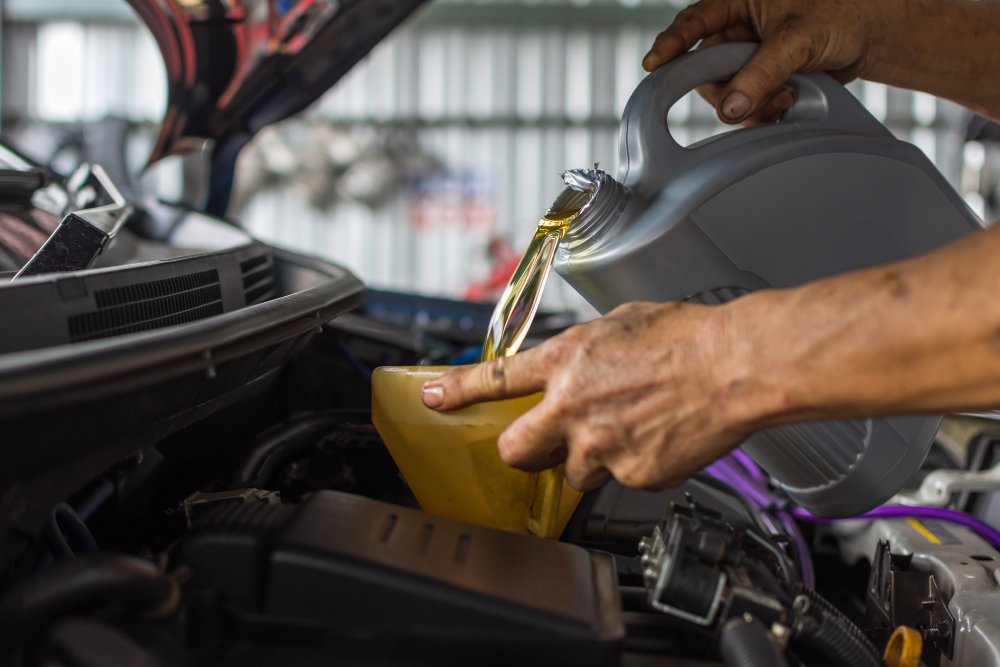
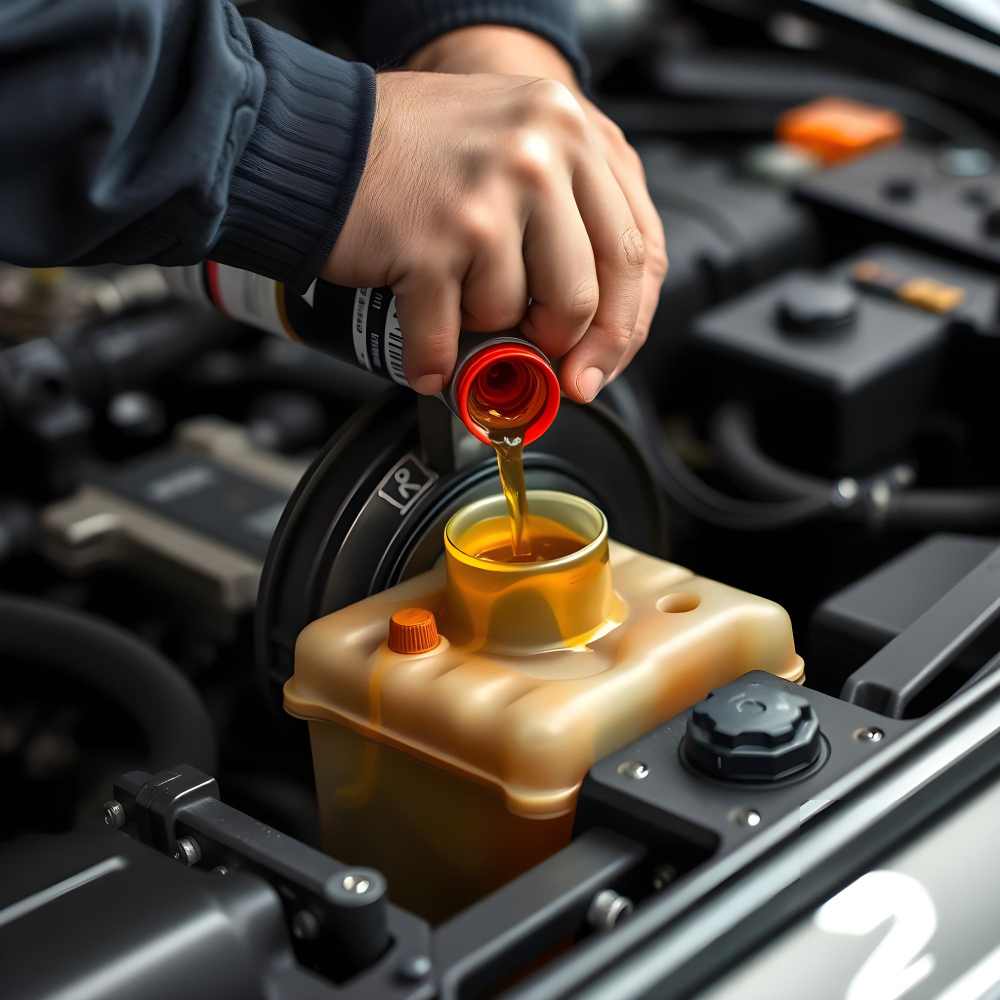
Yes, you can add the correct engine oil if your oil level is low and you cannot get an oil change immediately. Topping up the oil is only a temporary solution and does not replace a proper oil and filter change. Check the dipstick, add small amounts without overfilling, and arrange your oil change as soon as practical.
Keeping enough oil in your engine is essential, especially if you notice the level has dropped below the recommended range. Adding oil can help protect the engine until you are able to arrange proper maintenance, but it should not be treated as a way to keep postponing an overdue service.
Fresh oil does more than raise the level inside the engine. An oil change also removes old, contaminated lubricant and usually includes replacing the oil filter. If your vehicle is due for service, simply pouring fresh oil on top of old oil does not provide the same benefit.
This guide explains when it is safe to add oil, how much to use, how to check the level correctly, and when a low oil level may indicate a more serious problem.
Is It Okay to Add Oil Before an Oil Change?
In most cases, yes.
If you check your dipstick and discover that the oil level is below the recommended mark, topping it up is generally better than driving with insufficient oil.
The key is to use:
- The correct oil type
- The correct viscosity
- A suitable specification for your vehicle
- The proper amount
Do not assume that adding oil means the scheduled oil change is no longer necessary.
Old oil still contains contaminants and may have lost some of its ability to protect the engine effectively.
What Is the Difference Between Adding Oil and Changing Oil?
These two tasks are often confused.
Adding Engine Oil
Adding oil simply increases the amount of lubricant inside the engine.
This may be necessary if the engine has:
- Consumed some oil
- Developed a minor leak
- Naturally lost oil between services
- Been filled slightly below the correct level
Changing Engine Oil
An oil change involves draining the old oil and replacing it with fresh lubricant.
The oil filter is generally replaced at the same time.
A proper service therefore removes a large portion of the:
- Contaminated oil
- Combustion by-products
- Suspended particles
- Degraded lubricant
Topping up does not remove any of these materials.
How Do I Know If My Car Is Low on Oil?
The best way depends on the vehicle.
Many cars still use a traditional dipstick, while some newer vehicles use an electronic oil-level measurement system.
Using a Dipstick
A typical process involves:
- Park the vehicle on level ground.
- Switch the engine off.
- Allow the oil to settle.
- Remove the dipstick.
- Wipe it clean.
- Insert it completely.
- Remove it again.
- Check where the oil sits between the minimum and maximum marks.
Always check your owner’s manual because manufacturers may specify slightly different procedures.
Using an Electronic Oil Level Display
Some vehicles do not have a conventional dipstick.
Instead, oil level may be displayed through:
- The dashboard
- Infotainment system
- Vehicle information menu
Follow the manufacturer’s instructions carefully because some electronic systems require the engine to be warm or the vehicle to sit on level ground.
How Much Oil Should I Add?
Do not pour in an entire bottle unless you know the engine genuinely needs that amount.
Start with a small quantity.
After adding some oil:
- Wait briefly
- Recheck the level
- Add more only if necessary
The goal is to bring the level into the recommended range rather than filling it as high as possible.
If the dipstick shows oil somewhere between the minimum and maximum markings, additional oil may not be necessary.
Can You Put Too Much Oil in a Car?
Yes.
More oil is not always better.
Overfilling an engine can create its own problems.
Excess oil may be whipped into foam by moving engine components, which can interfere with proper lubrication.
Depending on the vehicle and severity of overfilling, it can also contribute to:
- Increased crankcase pressure
- Oil leaks
- Smoke from the exhaust
- Poor engine operation
- Damage to emissions components
If you accidentally add significantly too much oil, do not simply ignore it.
Have the excess removed before continuing to drive.
What Oil Should I Put in My Car?
Use the oil specification recommended by the vehicle manufacturer.
You can normally find this information in:
- The owner’s manual
- Manufacturer service information
- Sometimes the oil filler cap
Common viscosity grades include:
- 0W-20
- 0W-30
- 5W-20
- 5W-30
- 5W-40
However, viscosity is only part of the equation.
Some manufacturers require oils meeting specific standards or approvals.
This is especially important for:
- European vehicles
- Turbocharged engines
- Diesel vehicles
- High-performance engines
- Modern emissions systems
If you are uncertain, confirm the correct specification before adding anything.
Can I Mix Different Brands of Engine Oil?
If the engine is genuinely low and you need to top it up, using another reputable brand that meets the same required specification and viscosity is generally more important than matching the brand name printed on the existing bottle.
However, the safest option is to use the same specification recommended by the manufacturer.
Avoid randomly mixing oils with different viscosities or standards when you do not know whether they are compatible with your engine.
Can I Mix Synthetic and Conventional Oil?
In an emergency top-up, compatible engine oils may sometimes be mixed, but this is not ideal as a long-term maintenance strategy.
If your manufacturer specifies full synthetic oil, continue using oil that meets that requirement.
Do not downgrade the oil specification just because another bottle is cheaper or more convenient.
Modern engines may rely on particular oil characteristics for:
- Turbocharger protection
- Variable valve timing
- Fuel economy
- Emissions systems
- Cold-start lubrication
The correct oil specification matters.
Can Adding Oil Help Me Drive Until My Appointment?
If the engine is simply a little low and otherwise operating normally, adding the correct amount of oil can help maintain a safe oil level until your scheduled service.
However, do not use topping up as an excuse to continue driving for thousands of additional miles past the maintenance interval.
Your engine may have enough oil but still be running on lubricant that is:
- Old
- Contaminated
- Oxidized
- Past its intended service life
Oil quantity and oil condition are two different things.
What If My Oil Change Is Already Overdue?
If your oil change is overdue, topping up can correct a low level, but it does not reset the condition of the existing oil.
Arrange the actual service soon.
How urgent it is depends on factors such as:
- How far overdue you are
- Oil level
- Driving conditions
- Engine type
- Maintenance history
Being a few miles beyond the recommended service interval is very different from ignoring oil changes for tens of thousands of miles.
Why Does My Car Need Oil Between Oil Changes?
Some engines consume a small amount of oil during normal operation.
However, frequent topping up may indicate an issue.
Possible causes include:
External Oil Leaks
Oil may escape from:
- Valve cover gaskets
- Oil pan seals
- Drain plugs
- Oil filters
- Timing covers
- Other engine seals
You may notice oil spots underneath the car.
Internal Oil Consumption
Oil can also enter the combustion chamber and burn with the fuel mixture.
Possible signs include:
- Blue exhaust smoke
- Frequent low oil levels
- Increased oil consumption
Turbocharger Problems
Some turbocharged engines can lose oil through worn turbocharger seals.
Engine Wear
Older or high-mileage engines may consume more oil as internal components wear.
If you are regularly adding large amounts between services, have the vehicle inspected.
How Often Should I Check My Engine Oil?
Checking the level regularly is a good habit.
You may want to inspect it:
- Every few weeks
- Before long trips
- Before extended highway driving
- When a warning appears
- If you notice a leak
- If your vehicle is known to consume oil
Drivers with older vehicles or engines that use oil between services may need to check more frequently.
What Does the Oil Warning Light Mean?
Not every oil-related dashboard light means the same thing.
Oil Change Reminder
A maintenance reminder usually means scheduled service is due.
This is generally not the same as an emergency warning.
Low Oil Level Warning
Some vehicles can detect when the oil level is below the recommended range.
Check the level as soon as practical and add the correct oil if needed.
Oil Pressure Warning Light
A red oil-can symbol or oil-pressure warning can indicate a much more serious situation.
Low oil pressure may mean the engine is not receiving adequate lubrication.
If this warning remains illuminated while driving, continuing to operate the engine could cause severe damage.
Safely stop and follow the vehicle manufacturer’s instructions.
Do not assume pouring in more oil will automatically solve an oil-pressure problem.
Can I Drive With Low Engine Oil?
It is not a good idea.
The engine depends on a sufficient quantity of oil to lubricate moving components.
Driving with too little oil can increase:
- Friction
- Heat
- Engine wear
- Risk of internal damage
If the level is slightly below the recommended mark, topping it up correctly may solve the immediate issue.
If there is little or no oil showing on the dipstick, proceed much more cautiously.
A significant oil loss should be investigated before normal driving continues.
What If There Is No Oil on the Dipstick?
If the dipstick is completely dry, the engine may be dangerously low.
Do not automatically assume the car is safe simply because it still starts.
Add the correct oil carefully and determine why the level became so low.
If the engine has:
- Loud knocking
- Oil-pressure warnings
- Heavy smoke
- Major leaks
avoid continued driving and arrange professional assistance.
Does Adding Fresh Oil Improve Old Oil?
Adding fresh oil may slightly dilute old lubricant, but it does not restore the entire oil supply to new condition.
Imagine adding one glass of clean water to a bucket of dirty water.
The bucket now contains some cleaner water, but the contamination has not disappeared.
The same general principle applies here.
A real oil change removes most of the old lubricant rather than merely diluting it.
Do I Need to Change the Oil Filter Too?
Yes, the oil filter is normally replaced during a routine oil change.
The filter collects contaminants from the circulating oil.
If you only add fresh lubricant and leave the existing filter indefinitely, you are not completing the maintenance process.
A standard oil service usually includes:
- Draining old oil
- Replacing the oil filter
- Refilling with correct fresh oil
- Checking for leaks
- Confirming proper oil level
- Resetting the service reminder where applicable
Can I Add Oil While the Engine Is Hot?
It is generally safer and easier to work around the engine after it has cooled sufficiently.
Hot engine components and hot oil can cause burns.
If you have just driven the vehicle, allow it to sit before opening the oil filler cap or checking the level, following the procedure specified by the manufacturer.
Where Do I Put Engine Oil?
Engine oil goes through the oil filler opening in the engine compartment.
The cap normally has:
- An oil-can symbol
- Engine-oil wording
- Sometimes the recommended viscosity
Do not pour oil into a random reservoir.
The engine bay can also contain reservoirs for:
- Coolant
- Brake fluid
- Windshield washer fluid
- Power steering fluid on some vehicles
Putting engine oil into the wrong reservoir can create a costly mess very quickly.
If you are unsure which cap is correct, check the owner’s manual.
When Should I Stop Topping Up and Get the Car Inspected?