

A car heater may blow cold air due to low coolant levels, a faulty thermostat, a clogged heater core, trapped air in the cooling system, or a malfunctioning blower or blend door. The heater relies on hot engine coolant to produce warm air, so any issue that prevents heat from reaching the heater core can cause cold air from the vents. Prompt diagnosis is important because some causes can lead to engine overheating and costly repairs.
Few things are more frustrating than turning on your vehicle’s heater during a cold morning only to feel chilly air coming from the vents. A properly functioning heating system should quickly warm the cabin and provide comfort during cold weather. When it starts blowing cold air instead, it often signals an issue somewhere within the vehicle’s cooling or HVAC system.
Many drivers assume the heater itself has failed, but the reality is that your vehicle’s heating system depends on several components working together. A problem with coolant circulation, temperature regulation, airflow controls, or even the engine itself can affect heater performance.
Understanding why your heater is blowing cold air can help you identify the issue early, prevent further damage, and restore comfort to your vehicle.
How Does a Car Heater Work?
To understand why your heater may be blowing cold air, it helps to know how the system operates.
Unlike an air conditioner, which creates cold air through refrigeration, a car heater uses heat that is already produced by the engine. As the engine runs, coolant absorbs heat from the engine block and circulates through the cooling system.
A portion of this hot coolant flows through a small radiator-like component called the heater core. When the cabin fan blows air across the heater core, the air absorbs heat before entering the passenger compartment.
Because the heating system depends on hot coolant, anything that disrupts coolant flow or temperature can result in cold air coming from the vents.
Low Coolant Level
One of the most common reasons a heater blows cold air is insufficient coolant.
Coolant plays a critical role in transferring heat from the engine to the heater core. When coolant levels drop too low, there may not be enough hot fluid reaching the heater core to produce warm air.
Low coolant levels can occur due to:
- Leaking hoses
- Radiator leaks
- Water pump leaks
- Cracked reservoirs
- Head gasket issues
In many cases, drivers notice heater performance problems before they notice any signs of engine overheating.
Checking coolant levels regularly is an important part of vehicle maintenance and can help prevent more serious engine problems.
Faulty Thermostat
The thermostat regulates engine temperature by controlling coolant flow.
When the engine is cold, the thermostat remains closed, allowing the engine to warm up quickly. Once the engine reaches operating temperature, the thermostat opens and allows coolant to circulate through the system.
If the thermostat becomes stuck open, coolant may circulate continuously, preventing the engine from reaching the proper temperature. As a result, the heater may never receive coolant that is hot enough to generate warm air.
A failing thermostat often causes:
- Cold heater output
- Longer engine warm-up times
- Lower-than-normal temperature gauge readings
- Reduced fuel efficiency
Replacing a faulty thermostat is often a relatively inexpensive repair that restores proper heating performance.
Air Trapped in the Cooling System
Air pockets inside the cooling system can interfere with coolant circulation.
When air becomes trapped, it may block coolant from reaching the heater core. Even if the engine reaches normal operating temperature, the heater may continue blowing cold or only slightly warm air.
Air can enter the system after:
- Coolant replacement
- Cooling system repairs
- Radiator replacement
- Hose replacement
- Coolant leaks
Proper bleeding procedures remove trapped air and restore normal coolant flow throughout the system.
Clogged Heater Core
The heater core acts as the heat exchanger responsible for warming cabin air.
Over time, rust, corrosion, debris, and contaminated coolant can restrict coolant flow through the heater core. When circulation becomes limited, the heater core cannot transfer enough heat to the air passing through it.
Symptoms of a clogged heater core often include:
- Weak cabin heat
- Uneven heating
- Sweet coolant odors
- Foggy windows
- Coolant leaks inside the cabin
A partially clogged heater core may still produce some warmth, while a severely blocked core may result in completely cold airflow.
Heater Control Valve Problems
Some vehicles use a heater control valve to regulate coolant flow to the heater core.
If this valve becomes stuck, damaged, or fails electronically, it may prevent hot coolant from entering the heater core.
The result is often cold air from the vents despite the engine operating at normal temperature.
Because heater control valves vary between vehicle models, diagnosis often requires professional inspection.
Blend Door Malfunction
Modern HVAC systems use blend doors to control airflow direction and temperature.
The blend door determines whether air passes through the heater core, bypasses it, or mixes heated and unheated air to achieve the desired cabin temperature.
If the blend door becomes stuck or its actuator fails, the system may continue directing air around the heater core.
In this situation, the blower motor may operate normally, but only cold air reaches the cabin.
Common symptoms include:
- Inconsistent temperature control
- Clicking sounds behind the dashboard
- Different temperatures from separate vents
- Inability to adjust cabin temperature
Failing Water Pump
The water pump circulates coolant throughout the engine and heating system.
When the water pump begins to fail, coolant circulation may become inadequate. Reduced coolant flow can prevent enough heat from reaching the heater core.
Water pump problems often develop gradually and may produce additional symptoms such as:
- Engine overheating
- Coolant leaks
- Grinding noises
- Temperature fluctuations
Because the water pump affects the entire cooling system, prompt repairs are important to prevent severe engine damage.
Low Engine Temperature
Sometimes the issue is not the heater itself but the engine’s inability to generate sufficient heat.
If the engine never reaches normal operating temperature, the coolant flowing through the heater core will not be hot enough to warm the cabin effectively.
Common causes include:
- Faulty thermostat
- Incorrect coolant mixture
- Cooling fan issues
- Engine management problems
Monitoring the temperature gauge can provide valuable clues about whether the engine is warming up properly.
Blower Motor Problems
The blower motor pushes air through the HVAC system and into the cabin.
Although blower motor failures typically affect airflow volume rather than temperature, a weak or malfunctioning blower can reduce the amount of warm air reaching passengers.
Drivers may notice:
- Weak airflow
- Intermittent fan operation
- Fan speeds are not working correctly
- Unusual noises from the dashboard
Without adequate airflow, even a properly functioning heater may struggle to warm the cabin effectively.
Cooling System Leaks
A coolant leak anywhere in the system can eventually impact heater performance.
As coolant escapes, the system loses its ability to transfer heat efficiently. The heater core may become one of the first components affected because it relies on a consistent supply of hot coolant.
Signs of coolant leaks include:
- Low coolant levels
- Sweet odors
- Visible puddles beneath the vehicle
- Engine overheating
- Steam from the engine compartment
Addressing leaks quickly helps protect both the heater and the engine.
Frozen Heater Core
In extremely cold climates, improper coolant mixtures can allow freezing within parts of the cooling system.
A frozen heater core blocks coolant circulation and prevents heat transfer.
Using the correct antifreeze concentration helps protect the cooling system and maintain reliable heating performance during winter conditions.
Why the Problem Should Not Be Ignored
Many drivers tolerate poor heater performance because they view it as a comfort issue rather than a mechanical problem.
However, several causes of cold heater air involve the cooling system, which directly affects engine temperature regulation.
Ignoring these issues can lead to:
- Engine overheating
- Reduced fuel economy
- Costly repairs
- Component failures
- Increased wear on engine parts
Early diagnosis often prevents minor problems from becoming major repair expenses.
How Technicians Diagnose Heater Problems
Professional technicians use a systematic approach to identify the root cause of heating system failures.
Diagnostic procedures may include:
- Coolant level inspection
- Cooling system pressure testing
- Thermostat testing
- Heater core temperature checks
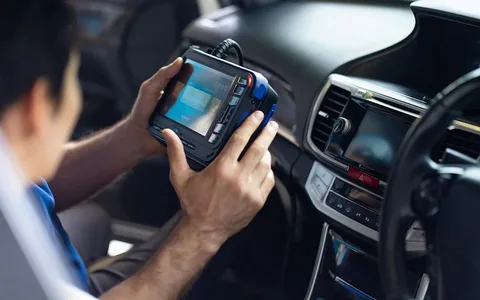
- Scan tool diagnostics
- HVAC actuator testing
- Water pump inspection
Modern diagnostic equipment helps pinpoint issues quickly and accurately.
Experienced service centers such as Uptown Imports understand the relationship between the cooling system, HVAC components, and engine performance, allowing technicians to identify problems efficiently and recommend effective repairs.
Preventing Heater Problems
Routine maintenance significantly reduces the likelihood of heating system failures.
Helpful preventive measures include:
Regular Coolant Changes
Fresh coolant helps prevent corrosion, sludge buildup, and heater core blockages.
Inspect Hoses and Connections
Early detection of leaks can prevent coolant loss and heating issues.
Monitor Temperature Gauges
Abnormal temperature readings often indicate cooling system problems before heater performance is affected.
Replace Worn Components Promptly
Addressing thermostat, water pump, and hose issues early helps maintain reliable operation.
Use Proper Coolant Mixtures
Correct coolant concentration protects against freezing, overheating, and corrosion.
Signs You Need Immediate Service
Certain symptoms suggest the problem may require urgent attention.
Seek professional inspection if you notice:
- The heater is blowing cold air, combined with overheating
- Rapid coolant loss
- Steam from the engine bay
- Coolant leaks inside the cabin
- Strong coolant odors
- Fluctuating temperature gauge readings
Prompt repairs can help avoid more extensive engine damage.
Conclusion
When a car heater blows cold air, the problem often originates within the cooling system rather than the heater itself. Low coolant levels, faulty thermostats, clogged heater cores, trapped air, blend door failures, and water pump problems are among the most common causes.
Because the heating system depends on hot coolant from the engine, any interruption in coolant flow or temperature regulation can prevent warm air from reaching the cabin. While some issues are relatively minor, others can lead to engine overheating and expensive repairs if ignored.
Understanding the causes, recognizing warning signs, and scheduling timely maintenance can help keep your vehicle comfortable, reliable, and safe throughout the colder months.
FAQs
Why is my car heater blowing cold air even though the engine is warm?
A clogged heater core may cause this, a blend door problem, trapped air in the cooling system, or insufficient coolant circulation.
Can low coolant cause a heater to blow cold air?
Yes. Low coolant levels are one of the most common reasons a vehicle’s heater stops producing warm air.
How do I know if my thermostat is bad?
A faulty thermostat may cause slow engine warm-up, poor cabin heat, low temperature gauge readings, and reduced fuel efficiency.
Can a clogged heater core be repaired?
In some cases, flushing the heater core may restore flow. Severe blockages may require heater core replacement.
Is it safe to drive if my heater is blowing cold air?
It depends on the cause. If the issue involves coolant loss or overheating, driving may cause engine damage and should be addressed immediately.
Why does my heater work sometimes and not others?
Intermittent heating may indicate trapped air, low coolant levels, a failing thermostat, or a malfunctioning blend door actuator.
How much does it cost to fix a heater blowing cold air?
Repair costs vary depending on the cause. Simple thermostat replacements are generally inexpensive, while heater core or water pump repairs can be more costly.