

Wheel alignments typically cost between $50 and $200, depending on your vehicle type, location, and whether you need a two-wheel or four-wheel alignment. Most standard passenger vehicles pay around $75 to $120 for a professional alignment service. Regular wheel alignments help extend tire life, improve fuel efficiency, enhance vehicle handling, and reduce uneven tire wear.
Wheel alignment is one of the most important maintenance services for any vehicle, yet many drivers overlook it until they notice uneven tire wear or steering problems. While oil changes and brake inspections often receive more attention, proper wheel alignment plays a significant role in vehicle safety, fuel efficiency, and tire longevity.
If you’ve ever wondered how much wheel alignments cost, what factors influence pricing, and whether the service is worth the investment, this comprehensive guide will provide everything you need to know.
A wheel alignment is a professional adjustment of your vehicle’s suspension system. Contrary to popular belief, technicians do not adjust the tires themselves. Instead, they adjust the angles of the wheels so they meet manufacturer specifications.
The purpose of wheel alignment is to ensure that all four wheels point in the correct direction and make proper contact with the road surface. When wheels are aligned correctly, your vehicle drives smoothly, handles predictably, and experiences less tire wear.
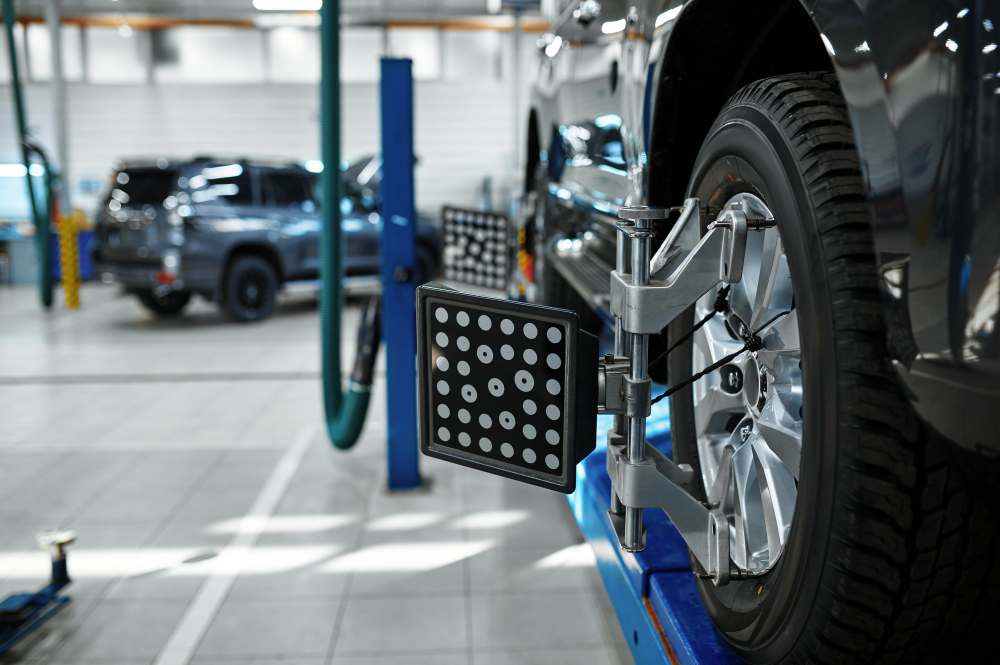
Modern alignment equipment uses advanced computer technology and precision sensors to measure wheel angles accurately and make necessary adjustments.
The cost of a wheel alignment varies depending on several factors, including vehicle type, service provider, and geographic location.
Here is a general breakdown of average pricing:
| Alignment Type | Average Cost |
| Front-End Alignment | $50 – $100 |
| Four-Wheel Alignment | $100 – $200 |
| Performance Vehicle Alignment | $150 – $300+ |
| Luxury Vehicle Alignment | $150 – $350+ |
Most drivers can expect to pay between $75 and $120 for a standard four-wheel alignment on a typical passenger vehicle.
While some shops advertise lower prices, additional adjustments or suspension repairs may increase the final bill.
Several factors determine how much you will pay for an alignment service.
Different vehicles require different alignment procedures.
Compact cars generally cost less to align because they have simpler suspension systems. Larger SUVs, trucks, and luxury vehicles often require more time and specialized equipment.
Performance vehicles may need highly precise adjustments, which can increase labor costs.
A front-end alignment focuses on only the front wheels and is usually less expensive.
A four-wheel alignment adjusts all four wheels and is recommended for most modern vehicles, especially those with independent rear suspension systems.
Because it involves more measurements and adjustments, a four-wheel alignment costs more.
Labor rates vary significantly by region.
Urban areas with higher operating costs often charge more for alignment services than smaller towns or rural locations.
The same alignment service may cost $70 in one city and $150 in another.
Highly rated repair shops that invest in advanced computerized alignment systems often charge premium prices.
However, accurate equipment can provide better results and help prevent future tire wear problems.
If technicians discover worn suspension components during the inspection, additional repairs may be necessary before alignment can be performed.
Common issues include:
These repairs can significantly increase the overall service cost.
Many drivers delay alignments because their vehicle still seems to drive normally. Unfortunately, even minor misalignment can cause long-term problems.
Proper alignment provides several important benefits.
Tires are expensive. Misaligned wheels cause uneven tread wear, forcing drivers to replace tires sooner than expected.
A properly aligned vehicle helps maximize tire lifespan and protects your investment.
Misaligned wheels create rolling resistance, causing the engine to work harder.
Correct alignment reduces resistance and may improve fuel economy over time.
When wheels are aligned correctly, the vehicle tracks straight and responds predictably to steering inputs.
This is especially important during emergency maneuvers or adverse weather conditions.
Drivers often notice that an aligned vehicle feels more stable and comfortable on the road.
Steering becomes more precise and less tiring during long trips.
Many vehicles gradually drift out of alignment due to normal driving conditions.
Watch for these common warning signs:
If your vehicle consistently drifts left or right while driving on a straight road, alignment issues may be present.
Inspect your tires regularly.
If one edge wears faster than the other, alignment may be the cause.
A steering wheel that sits off-center while driving straight often indicates misalignment.
Although vibrations can have multiple causes, alignment problems are often a contributing factor.
If the vehicle feels unstable or less responsive during turns, wheel alignment should be checked.
Most experts recommend checking alignment every 6,000 to 12,000 miles or at least once a year.
However, certain situations may require more frequent inspections:
Regular inspections help catch alignment problems before they cause costly tire damage.
Professional technicians adjust several key angles during an alignment.
Camber refers to the inward or outward tilt of the wheel when viewed from the front.
Excessive positive or negative camber can lead to uneven tire wear.
Caster affects steering stability and straight-line tracking.
Proper caster settings improve handling and steering return.
Toe describes whether the fronts of the tires point inward or outward.
Incorrect toe settings are one of the most common causes of rapid tire wear.
Modern alignment systems precisely measure these angles and compare them to manufacturer specifications.
Technically, yes.
However, continuing to drive with poor alignment can create several problems:
Ignoring alignment issues often turns a relatively inexpensive service into a much larger expense later.
In most cases, routine alignments are considered maintenance items and are not covered under standard manufacturer warranties.
However, some dealerships and tire retailers offer alignment packages or protection plans.
Always review your warranty documents or service agreements for specific coverage details.
Many drivers confuse wheel alignment with tire balancing.
These are two completely different services.
Adjusts suspension angles to ensure wheels point correctly.
Ensures tire and wheel assemblies rotate evenly by adding small balancing weights.
Both services contribute to a smooth ride, but they address different issues.

Some online tutorials claim you can perform alignment adjustments at home.
While basic measurements are possible, modern vehicles require highly accurate equipment.
Professional alignment machines use laser and computerized technology capable of measuring angles to fractions of a degree.
Attempting a DIY alignment may result in poor handling and increased tire wear.
For most drivers, professional service is the safest and most cost-effective choice.
A standard alignment usually takes between 30 minutes and one hour.
If suspension repairs are needed, the process may take longer.
Many repair facilities can complete the service while you wait.
Not all alignment services provide the same quality.
When selecting a provider, consider:
Reputable providers often offer before-and-after alignment reports showing exact adjustments made to your vehicle.
Uptown Imports understand the importance of precision alignment and comprehensive vehicle maintenance to help drivers achieve optimal performance and safety.
Although some drivers view wheel alignment as an optional expense, it often saves money over time.
Proper alignment can:
Considering the high cost of tires and suspension repairs, routine alignments are a smart investment.
Today’s Wheel Alignment Services use advanced computerized systems capable of measuring wheel angles with remarkable precision.
Technicians place sensors on each wheel while sophisticated software analyzes alignment specifications in real time.
This technology ensures accurate results and helps identify potential suspension problems before they become major repairs.
A proper Car Wheel Alignment helps ensure even tread wear across all tires.
When wheels are misaligned, certain sections of the tire experience more friction than others, leading to premature wear patterns.
Maintaining correct alignment protects tire performance and helps drivers get maximum value from every tire purchase.
Many drivers postpone a tire Alignment until symptoms become severe.
Unfortunately, waiting often results in faster tire wear, reduced fuel economy, and more expensive repairs.
Scheduling regular inspections helps identify minor alignment issues before they turn into major maintenance expenses.
Wheel alignment is a crucial part of vehicle maintenance that directly impacts safety, tire life, fuel economy, and driving comfort. While the average wheel alignment cost ranges from $50 to $200, the long-term savings often outweigh the initial expense.
Whether you drive a compact sedan, luxury vehicle, SUV, or truck, regular alignment checks can help prevent uneven tire wear and costly repairs. Paying attention to warning signs such as pulling, vibrations, or uneven tread wear allows you to address problems early and keep your vehicle performing at its best.
Investing in routine wheel alignments is one of the simplest and most effective ways to protect your vehicle, improve handling, and maximize the lifespan of your tires.
Most wheel alignments cost between $75 and $120, although prices can range from $50 to $200 depending on the vehicle and location.
Most vehicles should have their alignment checked every 6,000 to 12,000 miles or at least once per year.
Yes. Proper wheel alignment reduces rolling resistance, helping your vehicle operate more efficiently and potentially improving fuel economy.
Common causes include potholes, curb impacts, rough roads, worn suspension components, and normal vehicle wear over time.
Most standard alignments take between 30 minutes and one hour when no additional repairs are required.
Yes. Poor alignment causes uneven tread wear and can significantly shorten tire lifespan.
For most modern vehicles, a four-wheel alignment provides more complete adjustments and better overall results.
Yes. In fact, you should notice improved handling, steering response, and vehicle stability immediately after the service.
In many cases, yes. A crooked steering wheel is often a sign of alignment issues that can be corrected during the service.
Absolutely. Proper alignment helps prevent premature tire wear, improves fuel efficiency, enhances safety, and reduces long-term maintenance expenses.